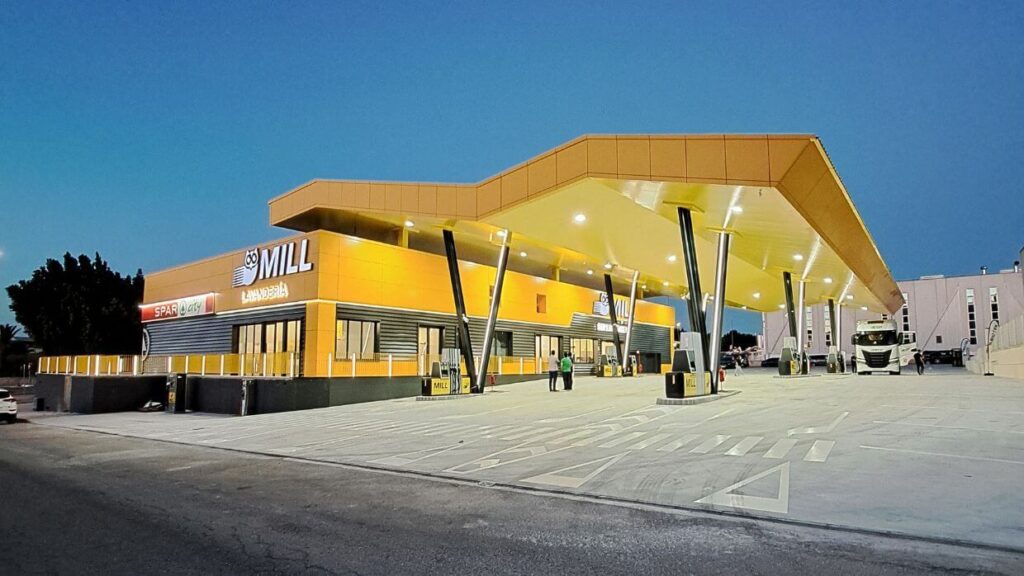


Concrete Structures: Which one to choose for your project?

Undoubtedly, any professional will agree that, when it comes to constructing any type of building, one of the most important decisions is the choice of structural material.
Generally speaking, two of the most commonly used options in the construction sector are the metal and concrete structures. Both have advantages and disadvantages that may make them more or less suitable depending on the type of project.
In this article, we will analyse their characteristics, key differences and in which situations it is appropriate to opt for one or the other.
1. General characteristics of each type of structure
Before choosing between one type of structure or another, it is essential to know its main characteristics. Each of them offers unique properties that will have a decisive influence on the strength, durability, costs and speed of construction.
Metal structures
Mainly made of steel, a material that stands out for its strength, versatility and adaptability to different types of construction. They are widely used in industrial buildings, skyscrapers, bridges and large-scale structures.
Some of the advantages of steel in construction are as follows:
Lightness and strength
It allows the construction of high-rise structures without overloading the foundations.
Speed of assembly
As it is pre-manufactured in the workshop and assembled on site, it reduces execution times.
Structural flexibility
It withstands seismic movements better due to its deformation capacity.
Sustainability
It is a recyclable material, which makes it a more environmentally friendly option compared to other building materials.
The use of metal structures also has certain disadvantages:
Maintenance cost
They require anti-corrosion treatments and fire protection.
Higher thermal conductivity
Additional insulation may be required to improve the energy efficiency of the building.
Concrete Structures
This is a material composed of cement, water, sand and gravel, which when set becomes a solid and resistant mass. It is commonly used in housing, public infrastructure and large-scale buildings.
Its advantages in construction are as follows:
Durability and resistance
It is a highly compression-resistant material with a very long service life.
Low maintenance
It does not need specific treatments, like steel, to prevent corrosion.
Thermal and acoustic insulation
It offers better thermal regulation and reduces noise transmission.
Affordable cost
In many cases, it is more economical compared to metal structures.
As in the previous case, there are also some negative aspects to be mentioned here:
Increased weight
It generates higher loads on the foundation, which can increase foundation costs.
Less structural flexibility
Its stiffness makes it more vulnerable to seismic movements if not combined with adequate bracing.
Slower construction process
It takes considerably longer to set and cure compared to the assembly of metal structures.
2. Key comparison between steel and concrete structures

In order to make the best decision for the project at hand, it is important to compare the two materials on the basis of different criteria:
Structural strength and behaviour
Steel structures are noted for their ability to withstand high tensile and bending stresses. They are more suitable for constructions that require long spans without intermediate columns.
Concrete structures, on the other hand, are very resistant to compression, which makes them ideal for multi-storey buildings and structures requiring high load-bearing capacity.
Cost of construction and maintenance
In general, steel tends to be more expensive in terms of material and assembly, but reduces construction time and labour. Concrete, however, while cheaper in terms of material, has a longer construction process and requires formwork and curing, which will ultimately result in a cost overrun on the overall construction.
In terms of maintenance, steel requires more care due to the risk of corrosion, whereas concrete is more stable over time.
Construction speed
As can be expected from what has already been mentioned, metal structures allow for faster construction, as the parts are manufactured in the workshop and only require on-site assembly. Concrete requires more time for setting and hardening, which will delay the execution of the project.
Sustainability and recyclability
In this respect, steel is a clear winner, as it is 100% recyclable, making it a sustainable option in circular economy projects. Concrete, although durable, generates waste that is difficult to recycle and although techniques are being developed for its reuse in other projects, it may take a few more years before it becomes commercially interesting.
3. Which one to choose according to the type of project?
So, based on the information provided, which of the two systems should be chosen.
When to choose steel structures
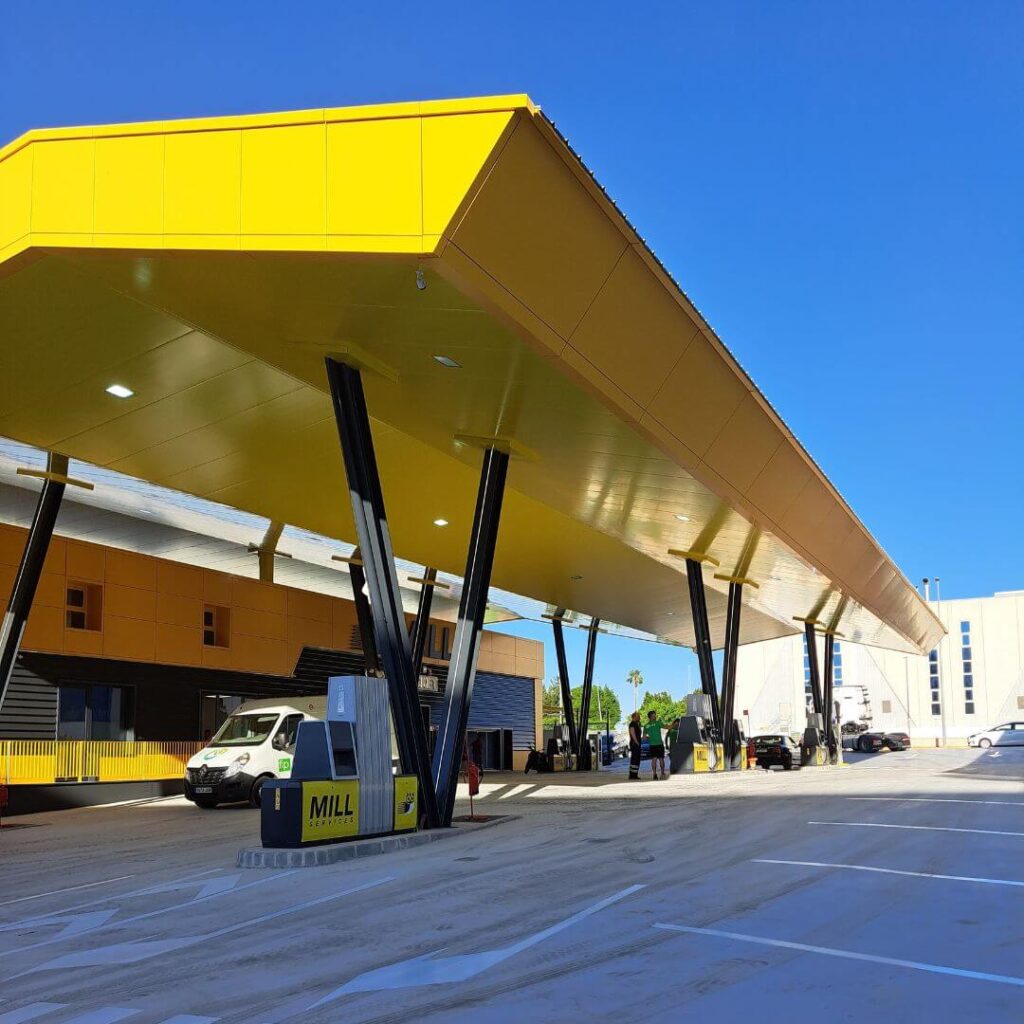
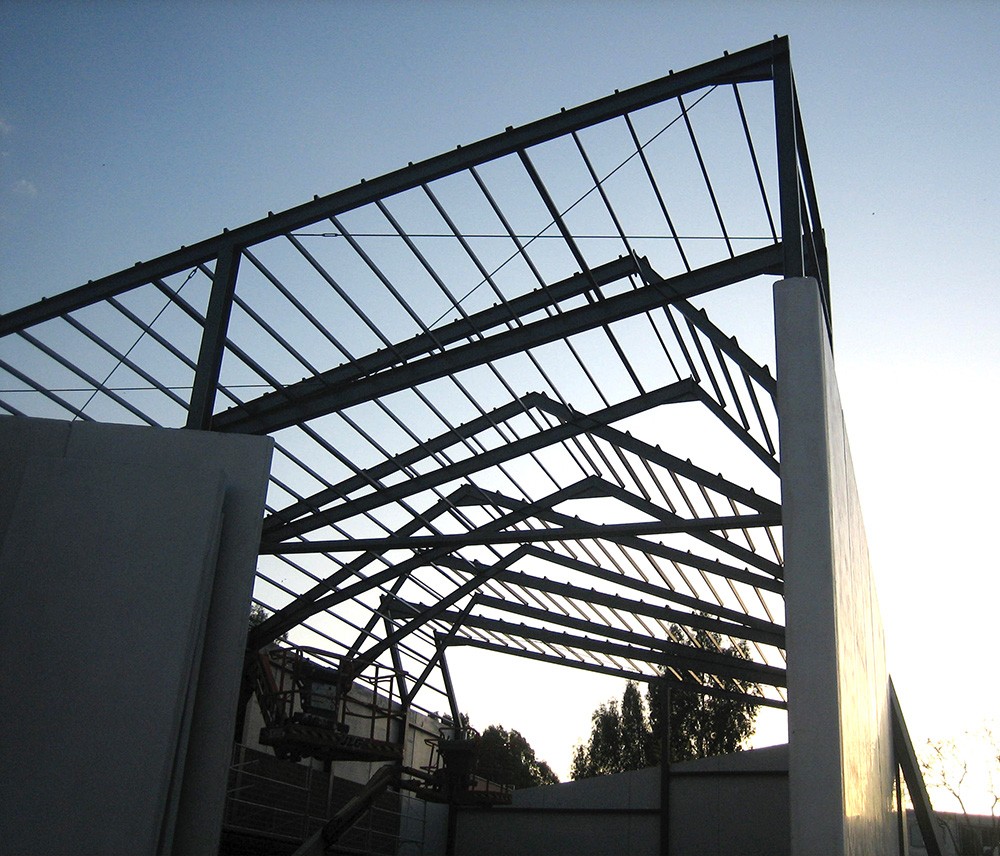

In the following cases, metal structures are more suitable.
High-rise buildings
Its lightness and strength allow the construction of skyscrapers and buildings with large spans without intermediate pillars.
Industrial structures
Logistics warehouses, warehouses and factories often use steel because of its speed of assembly and adaptability.
Seismic zones
In earthquake-prone regions, steel is more flexible and absorbs vibrations better.
Projects with tight deadlines
If speed of construction is a key factor, steel can significantly reduce construction times.
When to choose concrete structures

For these others presented below, choosing concrete structures is more advisable.
Housing and residential buildings
Its thermal and acoustic insulation make it ideal for this type of construction.
Public infrastructure
Bridges, roads and dams are often built in concrete because of its compressive strength and durability.
Tight budget projects
If the cost of materials is a determining factor, concrete is usually more affordable than steel.
Extreme climate zones
Its low thermal conductivity makes it more energy efficient in cold or hot climates.
Ultimately, as might be expected, there is no single answer. The choice between steel and concrete structures depends on many factors, such as the type of construction, the budget, the location and the specific needs of the project.
If you are looking for speed, flexibility and lightweight structures, steel is the best choice.
If the priority is on durability, compressive strength and lower maintenance, concrete may be more suitable.
In any case, each material has its place in construction and, in many cases, they combine to make the best of both worlds. Consult with structural engineering experts will ensure that the best decision is made for the safety, efficiency and viability of the project.
If advice is required for a steel structure construction project, Ingeainnova is here to help with innovative and efficient solutions.
If this is your case, contact us and let's make your architectural vision come true!