Maintenance of steel structures: Tips and best practices to extend their service life
There is no need to recall that the metal structures are part of the most common solutions efficient and durable in the world of construction. Whether because of their strength, versatility or their ability to withstand heavy loads, they are considered the preferred choice for the construction of new buildings. all types of projects industrial, commercial and even residential.
However, as with any material exposed to environmental conditions, steel requires maintenance to ensure its integrity and functionality over time.
Innova, with this article, aims to share tips and best practices to prevent corrosion, to apply corrosion protection techniques and to carry out regular inspections that will ensure the durability of your metal structures.
1. Preventing corrosion and wear and tear
If there is one enemy of metal structures, it is, without a doubt, the corrosion. As is well known, this is a phenomenon caused by exposure to oxygen, humidity and chemical agents which, little by little, if nothing is done to prevent it, will end up weakening the steel and compromising its stability.
Fortunately, there are several strategies to prevent it:
- Selecting the right material
Use steels with alloys corrosion resistantas the stainless steel or galvanised steel, it will make a big difference to thend wet or corrosive environments. For example, galvanised steel is ideal for structures exposed to the elements, as the zinc acts as a protective shield.
- Control of the environment
Whenever possible, it is advisable to avoid direct exposure of structures to extreme conditions, such as salinity in coastal areas or industrial environments with high levels of pollution. Where this is not feasible, physical or chemical barriers should be implemented to reduce the impact of these oxidising factors.
- Efficient design
A good design manages to minimise the points of accumulation from humidity y dirt. For example, it is important to avoid tight corners or angles where water stagnates, a simple but very effective practice.
- Cathodic protection
In structures buried or submergedsuch as pipes or piles, the cathodic protection is an effective technique that uses electrical current to prevent oxidation. This method is especially useful in critical infrastructures, such as bridges o offshore platforms.
- Use of corrosion inhibitors
In controlled environments, such as storage tanks or piping systems, chemical inhibitors are used to slow down the corrosion process.
2. Painting techniques and corrosion protection
The application of protective coatings is one of the most common and effective practices to prevent corrosion on metallic structures. The following are the most commonly used techniques.
- Surface preparation
Before applying any coatingis essential clean y prepare the surface. This includes the removal of rust, scale and contaminants by techniques such as sand blasting or the use of wire brushes. A well-prepared surface ensures a better adhesion of the coating.
- First layers of protection
The application of a primer is essential to ensure adhesion of the coating and to provide an initial barrier against moisture and corrosive agents. Zinc-rich primers are especially effective for structures exposed to severe conditions.
- Anticorrosive paints
There are specialised paints containing inhibitors from corrosionsuch as zinc or phosphate. These paints protect and act as an active shield against rust. In addition, they offer a wide range of colours and finishes, which effectively combine protection and aesthetics.
- Epoxy and polyurethane coatings
For more demanding environmentsIn the chemical industry, such as chemical plants or coastal areas, epoxy and polyurethane coatings offer superior protection thanks to their chemical resistance and durability. These materials are ideal for structures that require a waterproof and impact resistant barrier.
- Galvanisation
This process consists of covering steel with a layer of zincgalvanising, either by hot-dip galvanising or electroplating. Galvanisation is particularly useful in exposed structures outdoor applications, such as light poles, railings or bridge structures.
- Intumescent coatings
At case of firethe coatings intumescent expand to form an insulating layer that protects the steel from high temperatures. This is an essential technique in buildings where fire resistance is a requirement.
3. Periodic inspections and their importance
As is to be expected, in order to maintain metal structures in perfect condition, the preventive maintenance is also key, as it allows for early detection of problems and avoid costly repairs in the future. Regular inspections allow signs of corrosion, cracks or deformation to be identified before they become a risk.
- Frequency of inspections
Depending on the environment and the use of the structure, it is recommended to carry out inspections at least once a year. At environments more aggressivesuch as in industrial or coastal areas, it is advisable to increase the frequency.
- Critical points to review
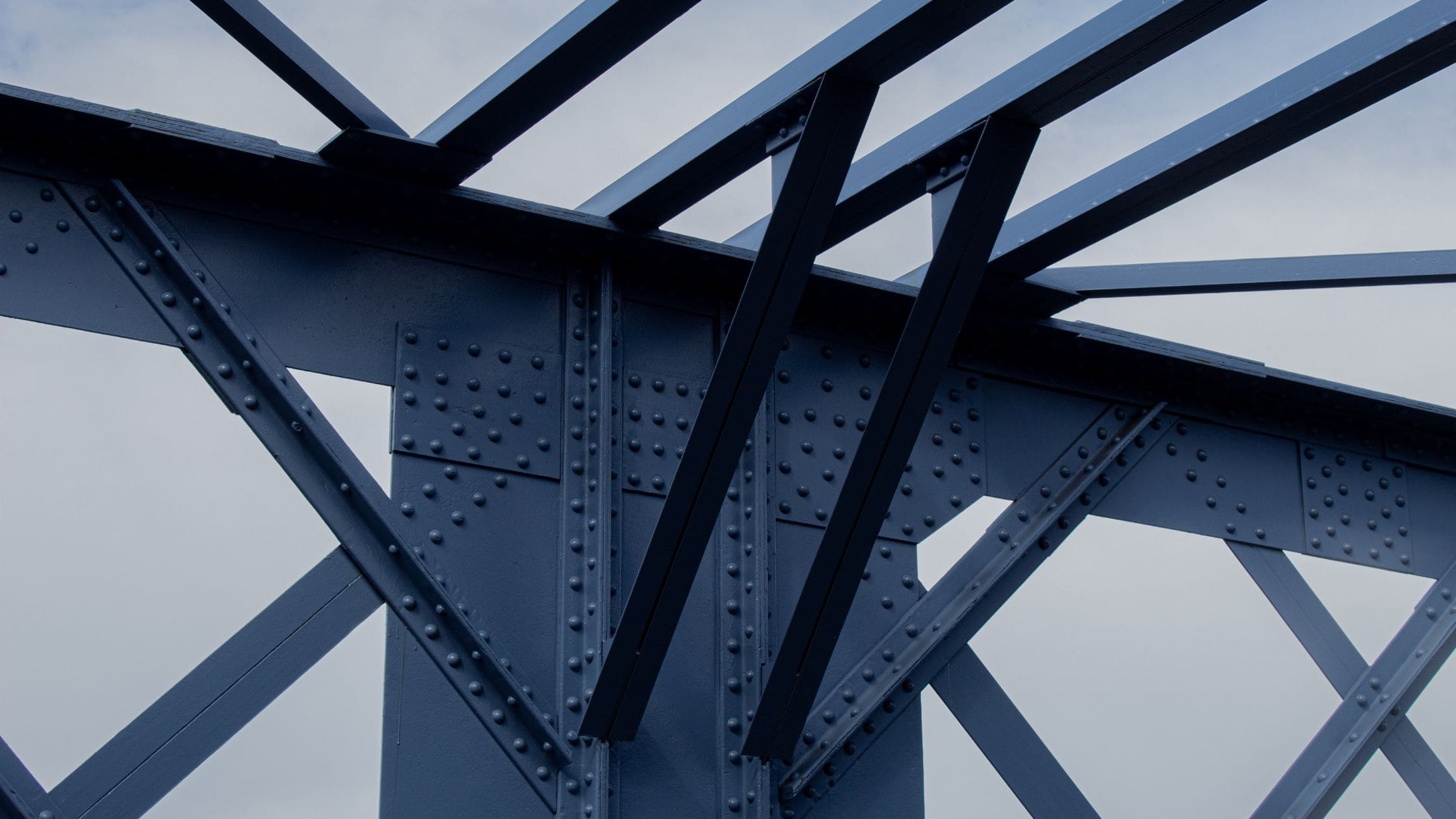
As mentioned above, particular attention will have to be paid to the links, welds y exposed areas to moisture, as these are the points most vulnerable to corrosion and wear. It is also important to check the fastenersThe deterioration of such components, such as screws and bolts, can compromise the stability of the entire structure.
- Use of advanced technology
Technology is constantly developing tools that make this work more efficient. Tools as dronesthermographic cameras and ultrasound significantly facilitates the inspection from difficult to access areas and provide accurate data on the condition of the structure.
- Documentation and monitoring
Carrying a detailed record of each inspection, including photos and measurements is highly recommended, as it will allow progress to be monitored and corrective actions to be planned. In this sense, a maintenance management system (CMMS) will be of great help in organising this information.
- Collaboration with experts
Having a team of professionals at maintenance of metal structures ensures that the inspections are carried out in a manner that is strict and in accordance with industry standards. In addition, experts offer customised recommendations based on the specific conditions of the structure to be maintained and protected.
4. Case studies of successful maintenance
To illustrate the importance of maintenance, these two case studies are perfect examples.
- Metal bridge in coastal area
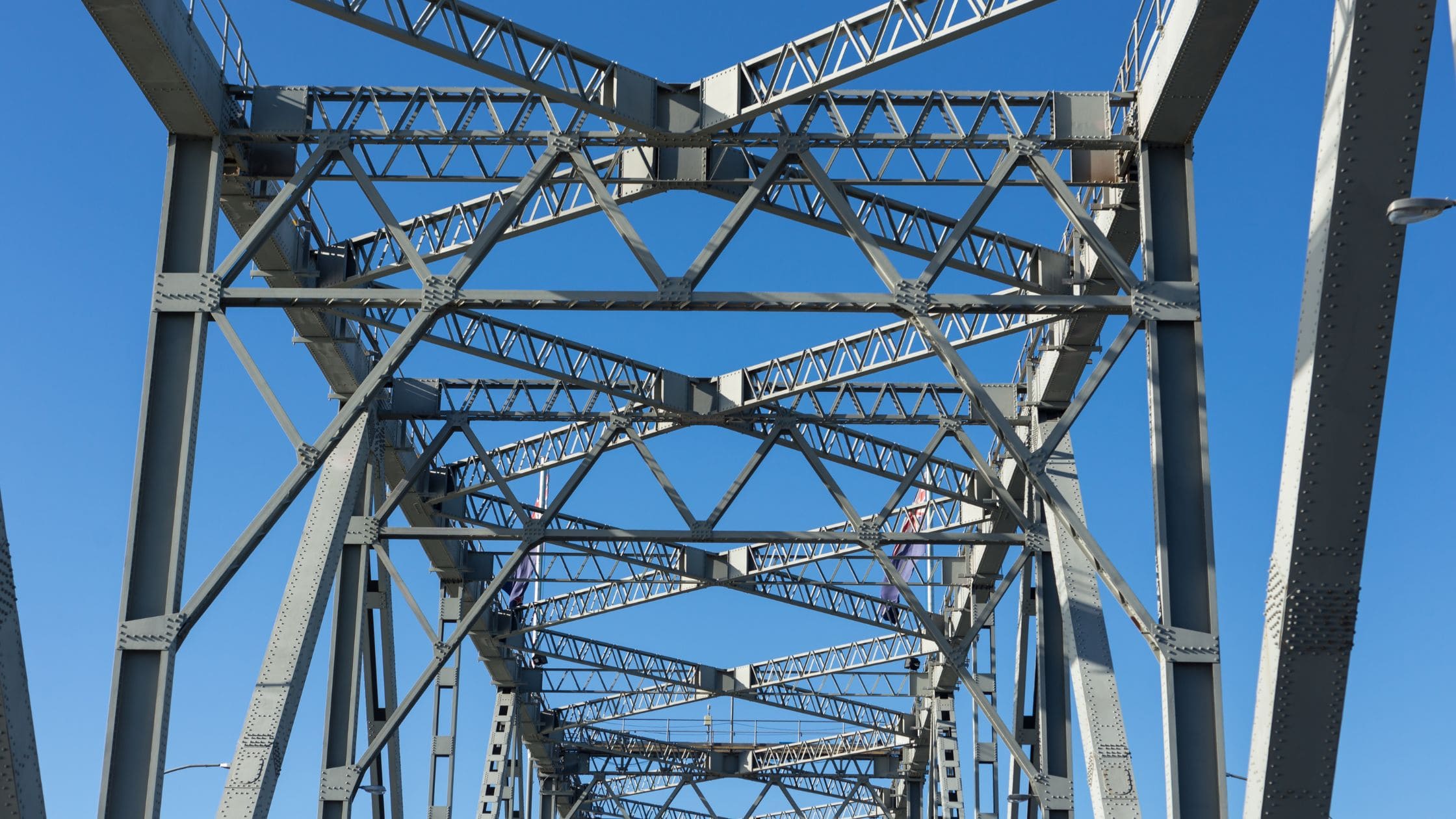
A bridge exposed to the salinity of the sea requires a intensive maintenance. For cases such as these, a system of cathodic protection combined with epoxy coatings. Six-monthly inspections will allow small areas of corrosion to be detected and repaired before they spread, ensuring the integrity of the bridge for more than 30 years.
- Industrial building with high exposure to chemicals
In a chemical plantIn this case, metal structures are exposed to corrosive vapours. In this case, the following must be used intumescent coatings and establish a programme of quarterly inspections. This will prevent premature deterioration and reduce repair costs by 40%.
Conclusion
It can be stated that invest in maintenance will mean a considerable savings on repairs. By implementing preventive practices, such as corrosion protection, the application of appropriate coatings and regular inspections, not only do we extended lifespan of the structures, but it also ensures that the security of people and the continuity of projects.
At Ingea Innova, we have years of experience in the design, construction y maintenance from metal structures. Our commitment is to offer durable and efficient solutions that adapt to every need. If you need advice or specialised services, do not hesitate to contact us.
Together, we build a stronger future.
05/11/2025in Construction In the steel construction sector, quality and safety are not optional. Since 2014, all metal structure manufacturers in Europe must comply with the EN 1090 Standard, an essential requirement to be able to market their products within the European Union. In this article we explain what EN-1090 certification is, what it is,...
04/09/2025in Construction Metal enclosures in industrial car parks are essential to protect vehicles and equipment from the elements, as well as to maintain structural efficiency. Over time, these covers can deteriorate due to exposure to weather, corrosion or impact, compromising their functionality and safety. At Ingea Inn...