

Guide to asbestos removal: hazards, regulations and recommendations

Not so long ago, asbestos was considered an irreplaceable element, the star material on many construction sites. This element was found in roofs, pipes, roofing, downpipes, floors and pavements, tanks, fireproof materials, electrical installations, sealants and joints, vehicles and industrial installations, storage elements and, above all, in the widest variety of insulation, both thermal and acoustic. Today, due to its hazardous nature, its presence is a public health problem that requires specialised solutions such as the professional service from Innova for asbestos removalessential for safely dispose of this material and in accordance with the current regulations.
The reasons given for this generous use in innumerable sections of any building were, above all, their fire resistance and low costThese factors made it a common resource in construction and industry. However, time has shown that this "miracle material" concealed a silent enemy, highly harmful to health of the workers and any person who was close to her.
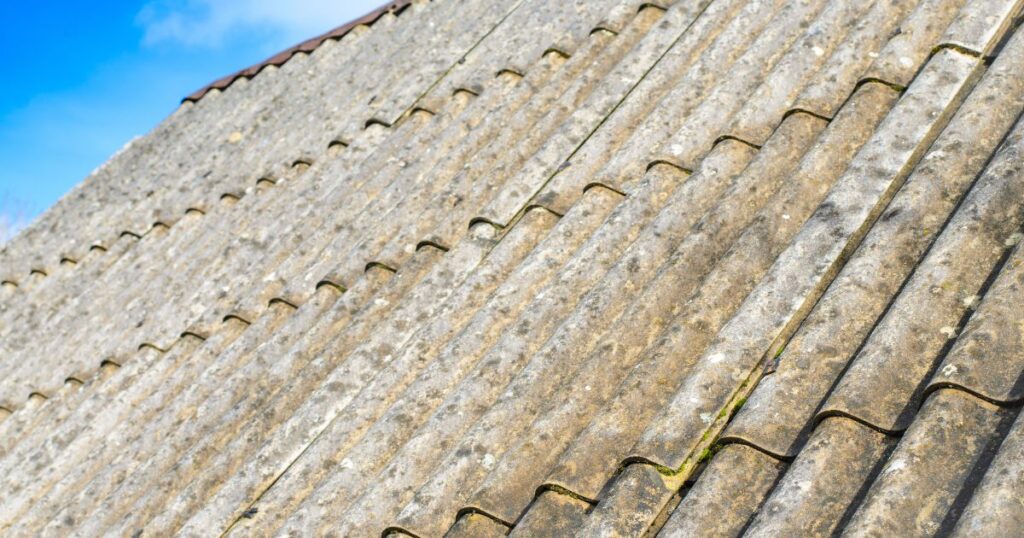
Although in Spain its use is prohibited since more than two decadesThe EU has been involved in the construction of the new buildings, in particular all those built before 2002, thousands of buildings, installations and structures, still retain elements with asbestos. And that represents a risknot always immediate, but real.
In this article we explain why asbestos is so dangerous, how to identify it y what to do if you believe your property or business could be affected.
A glimpse into the past: what is asbestos and why was it used so much?
The asbestos (or asbestos) is a natural mineral made up of microscopic fibres. It was very popular between the 1950s and 1990s because of its qualities: does not burn, resists chemicals, isolate heat very well and, moreover, it is cheap. It was used in more than 3,000 different products, from fibre cement boards to thermal coatings to fire protection panels. A construction star that kept a sinister shadow among its fibres.
So what makes it such a serious problem? The answer lies in those fibres of which it is composed. When asbestos deteriorates or is handled without protection, releases invisible fibres that remain suspended in the air. When inhaled, they can accumulate in the lungs and cause very serious diseases.
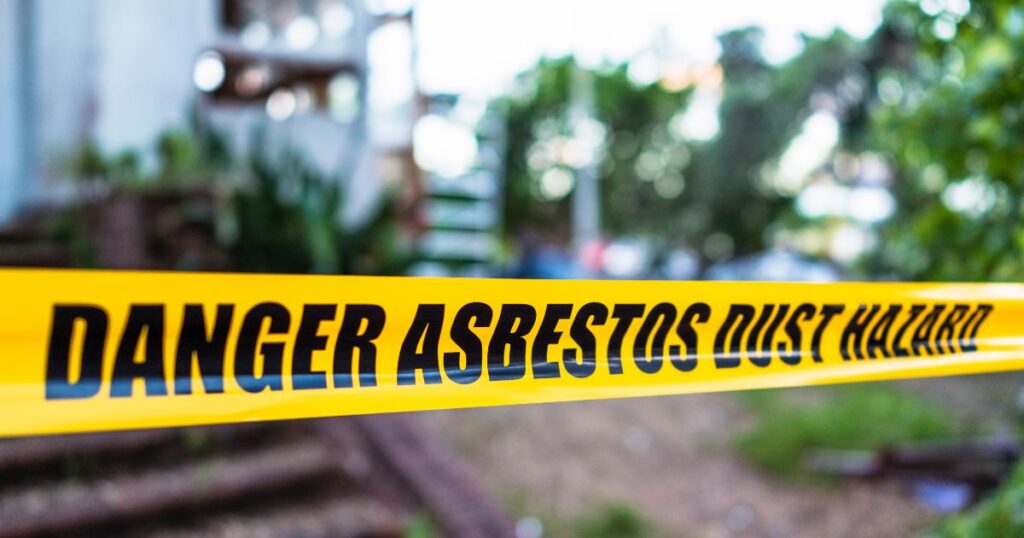
A threat you can't see... but you can feel it
One of the most worrying aspects of asbestos is that no immediate symptoms. This means that the associated diseases often appear decades after the exhibition. And, when they manifest themselves, they are often already at an advanced stage and therefore, difficult to deal with. Some of the best known pathologies are:
- Asbestosischronic pulmonary fibrosis, caused by a build-up of fibres in the lungs. It causes shortness of breath, fatigue and may worsen over the years.
- Mesotheliomaasbestos cancer: a very aggressive type of cancer that affects the pleura (the membrane that surrounds the lungs). It is directly linked to contact with asbestos.
- Lung canceralso related to inhalation of fibres, especially in workers with prolonged exposure.
- Pleural plaquesThese are the most benign lesions, but indicate that exposure has occurred.
And the most alarming thing is this: there is no "safe" dose of asbestos exposure. Under certain conditions, a single exposure could be enough to cause any of the listed diseases. This is why, exercise caution is indispensable, so it was inevitable that it would be banned.
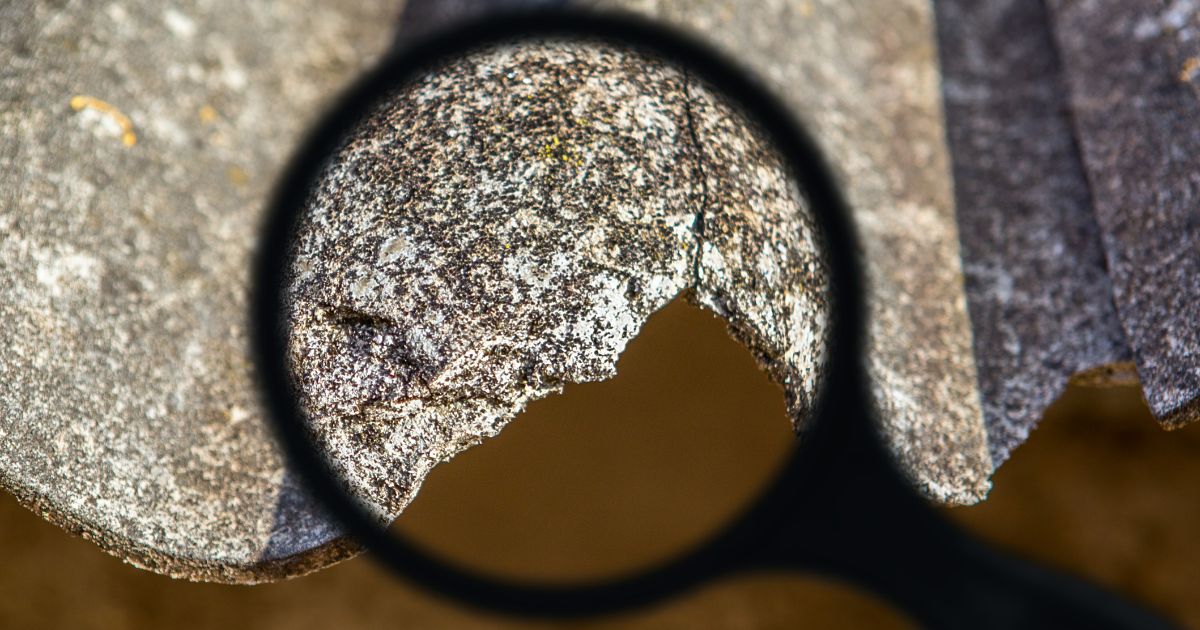
How do you know if a building has asbestos?
It is not uncommon for homeowners to be unaware of whether their property contains asbestos-containing materials. In Spain, any construction prior to 2002 could house itespecially if it has not been refurbished. The places where it is usually present are:
- Fibre cement roofs (the famous "fibre cement roofs").uralitas")
- Downpipes water and drains
- Deposits old
- Insulation thermal and acoustic
- False ceilings or vinyl flooring with black base
It is not always easy to recognise with the naked eye. The only sure way to confirm it is by a laboratory analysis carried out by a specialised company. If there are suspicions, the most sensible thing to do is not to touch anything and contact professionals to ensure its composition and remove asbestos.
What the law in Spain says about asbestos
As already mentioned, since 2002, the use of asbestos has been totally banned in our country. This includes its manufacture, marketing and installation. However, the regulation also establishes a series of clear obligations for those who own or manage properties where this material can be found as part of their structure and components.
- Asbestos may not be handled without authorisation or specific protection..
- Any withdrawal must be carried out by companies registered in the RERA (Register of Companies at Risk from Asbestos).
- Before taking action, it is mandatory to submit a WORK PLAN to the labour authority.
- Protective measures must be taken for workers, neighbours and the environment.
In addition, the latest European updates have further tightened exposure limits and measurement protocols. The tolerance is zero.
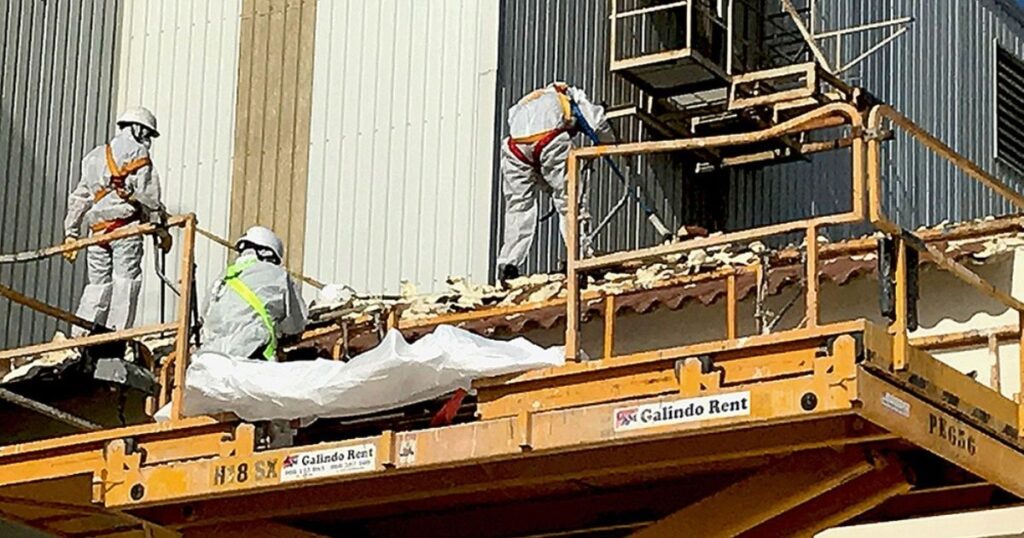
What should owners and companies do when removing asbestos?
If you have premises, buildings or installations that could contain asbestos, you are not alone. In fact, it is a very common situation. But it is also important to know that there are safe and effective solutions. Here are some key steps:
- Make a technical assessment. Do not act without knowing. A specialised company can check your property and carry out the necessary tests.
- Avoid intervening on your own. Drilling, breaking or cutting suspect materials is extremely dangerous.
- Get informed and well-informed. Each case is different, and the solutions must be different too.
- Rely on an authorised company. Only they can remove asbestos legally and safely.
Why having a specialist company makes all the difference
Removing asbestos is not just any job. It requires experience, training and, above all, a protocol rigorous. An approved company is responsible for:
- Carrying out the identification tests necessary
- Design and present the work plan to the authorities.
- Establish a secure perimeter during the intervention
- Decontaminate, withdraw y transport waste with authorised means
- Issue the certificates that demonstrate the elimination of the risk
At InnovaWe have been working for years in the field of asbestos removal on roofs, industrial facilities and buildings of all kinds. We know how to do this quickly, safely and in compliance with all legal requirements. Our priority is that you don't have to worry about anything.
Prevention is the best tool
Asbestos represents a real risk, but it is also manageable. Knowing the problem, acting responsibly and relying on qualified professionals is the key. It is not only a matter of complying with the law, but also of protecting the health of those who live, work or pass through this space..
If you suspect that your property may contain asbestos or if you need technical advice, at Innova we can help you. Because you don't have to wait until there is a problem to take action.