


INNOVA and the EN 1090 standard: total commitment to structural quality
In the metal construction, quality and safety are not optional. Since 2014, all manufacturers of steel structures in Europe have had to comply with the Standard EN 1090, This is an essential requirement in order to be able to market your products within the European Union. In this article we explain what is EN-1090 certification, why it is mandatory, y what are the benefits to both manufacturers and customers.
What is EN-1090?
The EN 1090 is a European standard that regulates the manufacture and erection of steel and aluminium metal structures. Its main objective is to ensure that structural elements comply with the requirements of the levels of quality, strength and safety required in the European market.
This standard is divided into three main parts:
- EN 1090-1: Requirements for the conformity assessment of structural components (mandatory for CE marking).
- EN 1090-2: Technical requirements for execution for steel structures.
- EN 1090-3: Technical requirements for execution for aluminium structures.
Why is it compulsory?
From the 1 July 2014, the EN 1090-1 is obligatory compliance for all manufacturers wishing to CE marking in its structural metal products.
Without this marking, it is not permitted marketing or installing metal structures in the European Economic Area.
This means that only certified companies can manufacture and erect safe and legal metal structures for use in industrial buildings, halls, walkways, canopies or any other type of metal construction.
What does it mean to be EN-1090 certified?
To obtain this certification, the manufacturer must demonstrate that:
- It has a factory production control (FPC) system to ensure traceability and quality of materials and processes.
- Welding personnel are qualified according to standards such as ISO 9606 or ISO 14731.
- Welding procedures (WPS) are approved and documented.
- A systematic inspection and control of production.
- The company is supervised by a notified body which audits compliance.
At INNOVA we comply with all these requirements, which allows us to manufacture certified and safe metal structures, ensuring the highest quality and compliance with European standards.
Advantages of choosing an EN-1090 certified company
Opt for a company with EN-1090 certification such as INNOVA, The benefits are manifold:
- Legal compliance and quality assurance.
All products carry the CE marking, The Commission shall, in accordance with the provisions of this Directive, issue a certificate of conformity. - Guaranteed structural safety.
Each component is manufactured according to controlled and audited processes. - Time and cost efficiency.
Standardisation of processes avoids errors and rework on site. - European recognition.
Certified structures can be installed in any EU country.
INNOVA's commitment to quality
At INNOVA we have EN 1090 certification, as well as with quality management systems under ISO 9001, which reinforce our commitment to technical excellence and safety. Our team of qualified engineers, technicians and welders ensures that each structure is designed, manufactured and assembled to the highest European standards. The EN-1090 certification is not just a regulatory requirement: it is a guarantee of safety, reliability and quality for any metal project. Choosing a certified fabricator means investing in the durability and safety of your installation.
If you need advice or a quote for a certified metal project, contact INNOVA. We will be happy to help you build with quality and confidence.
- Published in Construction
Repair and reconstruction of metal roofs on car parks
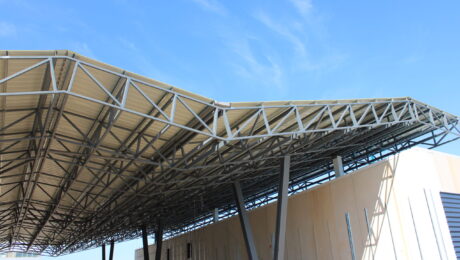
The metal roofing in industrial car parks are essential to protect vehicles and equipment from the elements, as well as to maintain structural efficiency. Over time, these covers can deteriorate due to exposure to weather, corrosion or impact, compromising their functionality and safety.
At Ingea Innovawe offer specialised metal roofing repair and rebuilding servicesadapted to the needs of each customer and guaranteeing durability and safety in all our interventions.
Common Causes of Deterioration in Metal Carport Roofs
Metal casings can be damaged by various factors:
- Moisture and weather corrosion: Constant exposure to rain and humidity causes rusting of panels and metal joints.
- Water leaks: Damaged joints and panels allow water to enter, affecting the structure and vehicles.
- Impacts and deformations: Strong winds or accidents can cause cracks or dents in the roof.
- Removal of fasteners or rivets: The loss of fixings compromises the safety of the structure.
- Lack of preventive maintenance: The absence of regular inspections turns minor problems into costly repairs.
Discover our services of industrial construction and maintenance that combine design and implementation expertise with the ability to intervene in existing installations. At Innova we do not only build sturdy metal roofs, but we also offer complete solutions for your repair and reconstructionensuring that each project meets the highest standards.
Repair and reconstruction process
- Personalised technical inspection: We assess the overall condition of the roof and determine whether it requires localised repair or complete reconstruction.
- Replacement of deteriorated elements: We replace damaged metal panels, improving the insulation and strength of the structure.
- Anti-corrosion treatment and finishing: We apply protective coatings to prevent future damage.
- Safe and certified installation: All our work complies with safety regulations and is supervised by specialised engineers.
Benefits of Metal Roofing Reconstruction
- Increased durability and structural strength
- Reduction of leaks and dampness
- Compliance with safety standards
- Energy optimisation of the industrial building or car park
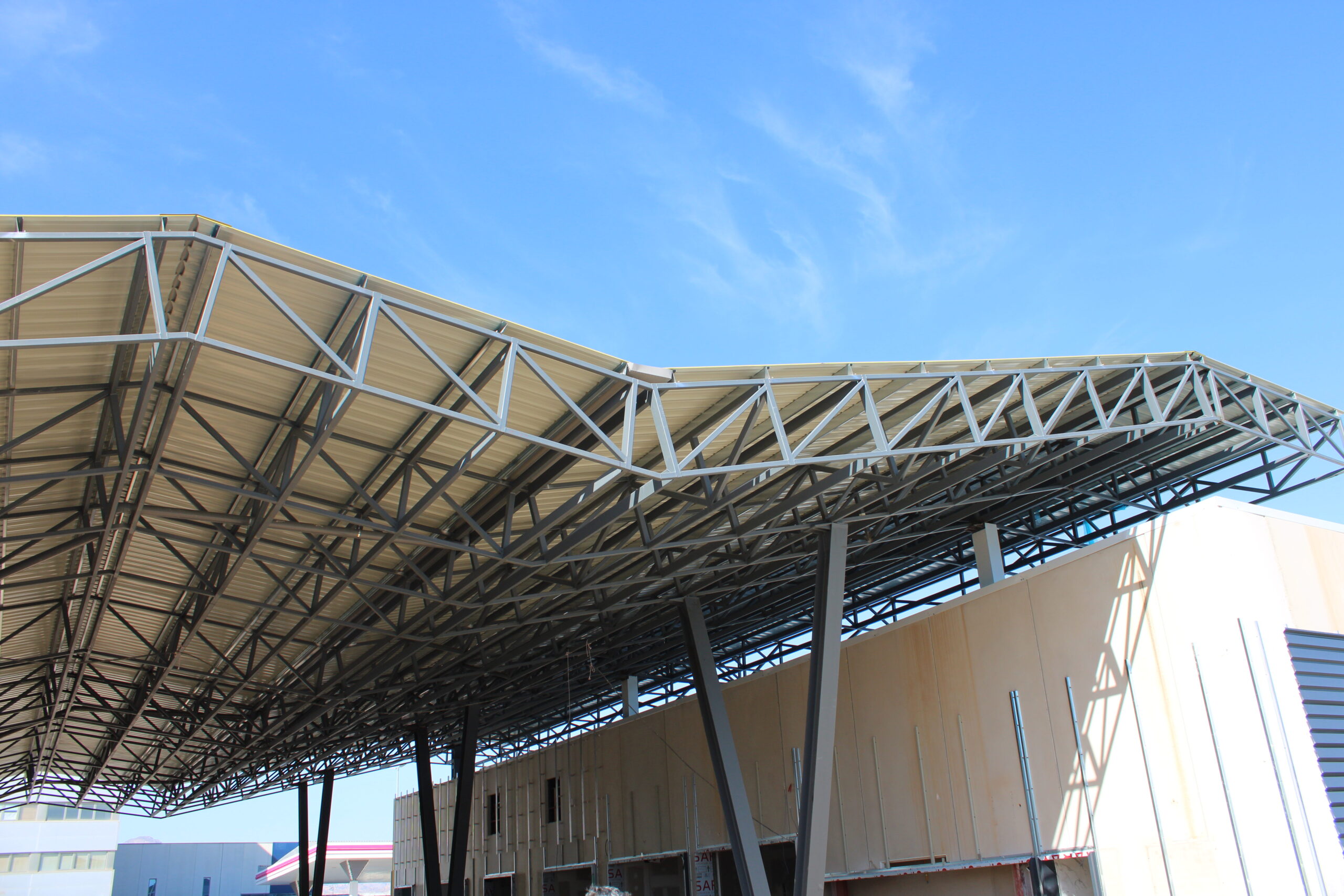
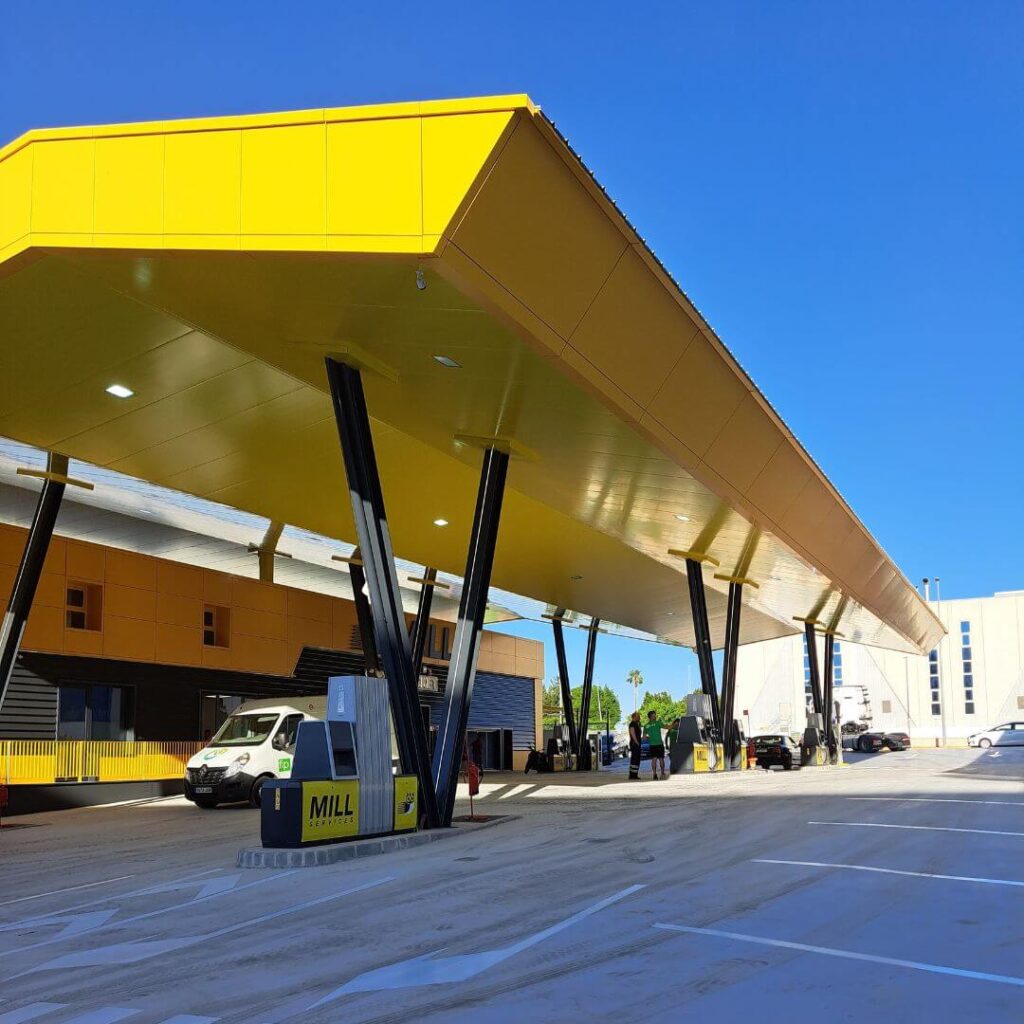
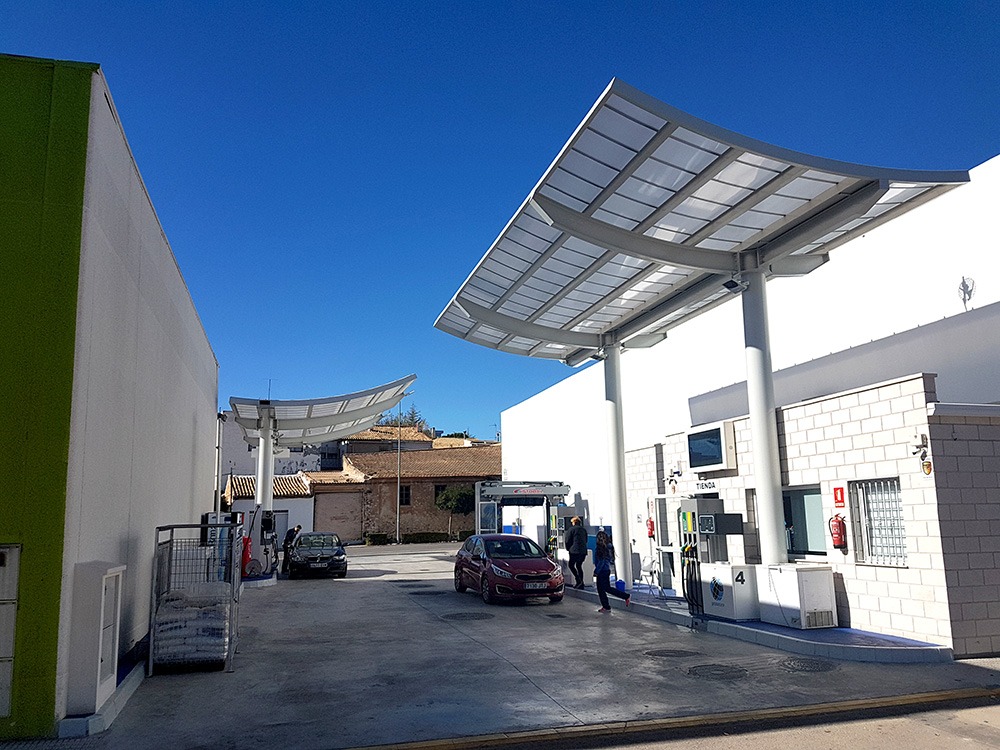
Here is a case in point. This example does not correspond to a car park, it is a metal roof structure projecting from the façadevery typical of petrol stations or service areas. At OUR PROJECTS you can find many more examples of successfully rebuilt metal roofs.
If you car park needs repair or rebuilding, our team of experts offers tailor-made solutions. Contact us at and ensures the safety and efficiency of your facilities.
- Published in Construction
Intelligent bio-construction: Nature and technology hand in hand

Imagine a house built with earth, wood and lime, a shelter that breathes, that regulates its temperature without the need to turn on an air conditioner, and which also alerts you when it needs to be ventilated or when it detects moisture on a wall.. It's not science fiction, it's the new frontier of architecture, known as the intelligent bio-constructionan approach that fuses natural materials with state-of-the-art sensors to take care of both the building and the people who live in it. This type of construction represents a logical and necessary evolution of sustainable architecture. It is based on returning to age-old techniques, such as the use of mud or straw, but adding something that we didn't have before, such as the technology that observes, interprets and helps us to make decisions. The result is more efficient and also more humane.
Back to the natural without renouncing the intelligent
For years, bio-construction has been identified with rural houses, adobe domes or low environmental impact projects far from cities. But this is changing. Today, with the help of the Internet of Things (IoT), these constructions can be as sophisticated as any high-tech building.They do not seek to dominate the environment, but to coexist with it.
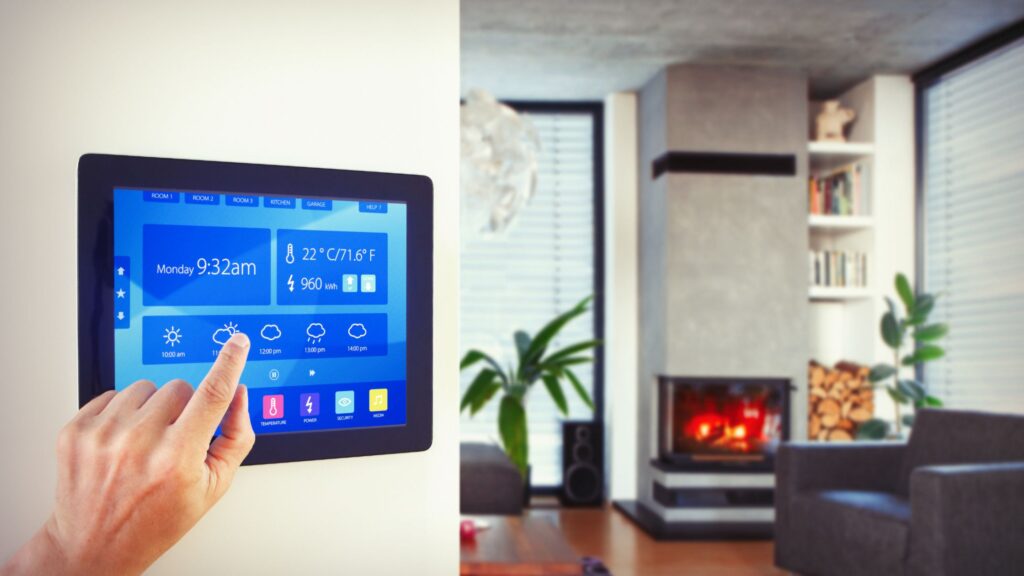
The IoT sensors allow homes to "listen" to what is going on inside them and their structure. They can detect changes in humidity, measure air quality, record temperatures and send you an alert to your mobile phone if something is wrong. And they do it almost invisibly, without altering the aesthetics or the soul of a home made of natural materials. Because if there is one thing that defines this trend, it is balance, technology to be useful, but not invasive. That adds, without detracting from authenticity.
What can a house built of straw tell us?
More than you might think. In a concrete building, detecting a leak or a lack of ventilation can be a matter of luck. In a bio-built home, such problems can lead to serious deterioration if not detected in time. This is where sensors come into play.
- Moisture sensor in wallsEssential in houses made of mud, straw or wood. They detect possible condensation or leaks, long before mould appears or the structure is damaged. They are like an early warning system that allows action to be taken before it is too late.
- CO₂ and Indoor Air Quality MetersAlthough natural materials do not emit toxic substances, this does not mean that the indoor air is always healthy. A sensor may, for example, indicate that there is too much CO₂ in a closed room and suggest opening a window.
- Smart thermometersIn a well-oriented and insulated house, a heating or cooling system is often not necessary. But having sensors that inform you of how each zone of the home behaves thermally is useful for adjusting blinds, windows or mobile elements. In the long term, it helps to optimise comfort and reduce consumption.
- Accelerometers or structural motion sensorsThey warn of micro-cracks, displacements or differential settlement of the ground. You don't have to wait for a wall to crack to know that something is wrong.
And all this can be controlled from a simple app on your mobile phone. You don't need to be an engineer. The idea is that the user receives clear and practical information: "ventilate the room", "there is humidity on the north wall", "the temperature is optimal, it is not necessary to turn on the cooker".. It's as if the house is talking to you..., but without raising its voice.
Technology at the service of life, not the other way around
One of the great fears when talking about "smart homes" is to fall into over-automation. No one wants to live in a kind of laboratory, but in smart bio-construction, the approach is different, since it is not about delegating everything to technology, but about using it as a silent ally..
The sensors are small, unobtrusive and many are powered by long-life batteries or solar systems. They are integrated during construction or placed in strategic points without cables, without building work, without breaking the aesthetics. And, above all, they make house maintenance much easier and more economical. Because we know how each material, each wall and each corner behaves, it is possible to anticipate problems, instead of solving them when it is already too late.

A house that takes care of itself... and that takes care of you.
Living in a house built with mud, straw or wood is not only an aesthetic or ecological choice. It is also a way of seeking real welfare because it has less toxins, better insulation and more contact with nature. And if that house, in addition, helps to maintain these values over time, the benefit is double.
Some of the most obvious results of applying technology to bio-construction are:
- Increased durability: Detecting problems before they become serious extends the life of natural materials.
- Better inner healthReal-time data lets you know if the air you breathe is clean or if you need to refresh the environment.
- Energy savingBy understanding how your house behaves thermally, you can optimise its use without overspending.
- Reduced environmental impactBecause the less you intervene in your home, the less resources you consume and the less waste you generate.
And the best thing is that you don't need a complex home automation system, just well thought-out sensors and a design that integrates them from the start.
Case studies: When theory becomes home
In Spain, there are already bioclimatic dwellings that integrate low-cost sensors to monitor humidity in mud walls, temperature in green roofs or even CO₂ levels in rooms without cross-ventilation. In Galicia, some architects have started to use sensors to study the thermal behaviour of straw bale walls, adapting their designs according to the data collected. In France and Germany, many ecologically refurbished rural houses include sensors connected to their biomass cookers to fine-tune their use. What is most interesting about these examples is that they are not laboratory prototypesbut real homes, inhabited by real people, confirming that the future of construction lies in learning to measure what cannot be seen... in order to improve what can be felt.
For intelligent bio-construction to become a common practice, we need more than just technology, we need to courageous, educated and change-sensitive professionals. Architects who integrate sensors from the design stage, engineers who are as excited about calculating a structure as they are about interior comfort, and technicians who understand that not everything natural is at odds with innovation.
At Ingea Innova we are committed to Sustainable Innovation. For example, our roof equipped with photovoltaic system and our Carbon Footprint reduction programme are examples of smart solutions that integrate perfectly with this philosophy. Visit our section on About us to get to know us and our work.
The new role of the architect and the engineer
Because, in the end, building with mud and sensors is not a contradiction. It is a statement of principle. A way of saying: We do want comfort, but not at the expense of the planet. We do want technology, but at the service of the human. In short, the Intelligent bio-construction is neither a fad nor a utopia. It is the logical step of a society that has understood that we cannot go on building as if resources were infinite. It is the answer to those seeking quality of life, environmental health and real efficiency. And, above all, it is a path open to new ways of inhabiting the world, more conscious, more connected and, yes, much more humane too.
- Published in Construction
Guide to asbestos removal: hazards, regulations and recommendations
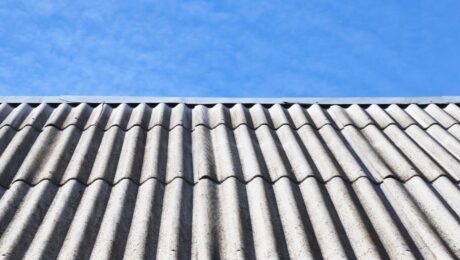
Not so long ago, asbestos was considered an irreplaceable element, the star material on many construction sites. This element was found in roofs, pipes, roofing, downpipes, floors and pavements, tanks, fireproof materials, electrical installations, sealants and joints, vehicles and industrial installations, storage elements and, above all, in the widest variety of insulation, both thermal and acoustic. Today, due to its hazardous nature, its presence is a public health problem that requires specialised solutions such as the professional service from Innova for asbestos removalessential for safely dispose of this material and in accordance with the current regulations.
The reasons given for this generous use in innumerable sections of any building were, above all, their fire resistance and low costThese factors made it a common resource in construction and industry. However, time has shown that this "miracle material" concealed a silent enemy, highly harmful to health of the workers and any person who was close to her.
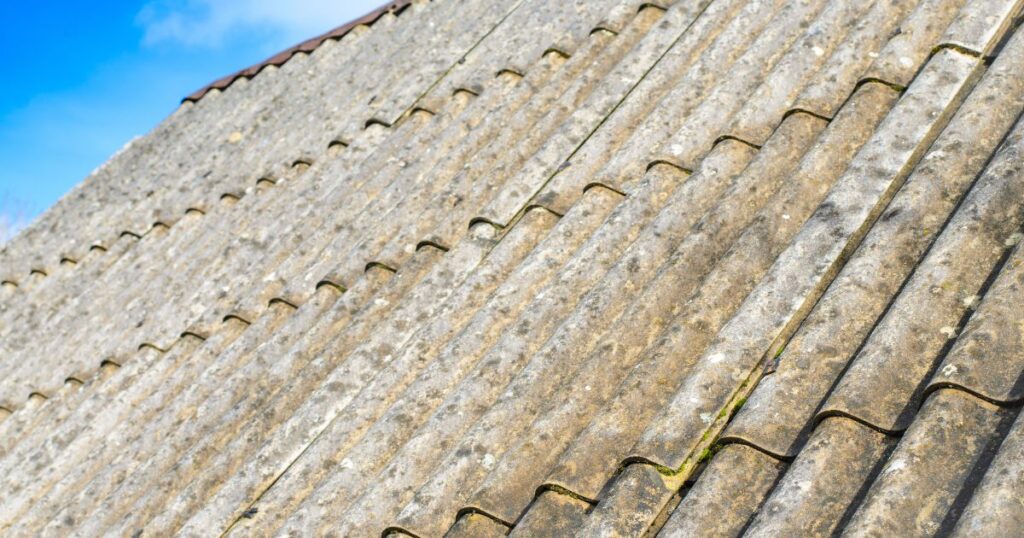
Although in Spain its use is prohibited since more than two decadesThe EU has been involved in the construction of the new buildings, in particular all those built before 2002, thousands of buildings, installations and structures, still retain elements with asbestos. And that represents a risknot always immediate, but real.
In this article we explain why asbestos is so dangerous, how to identify it y what to do if you believe your property or business could be affected.
A glimpse into the past: what is asbestos and why was it used so much?
The asbestos (or asbestos) is a natural mineral made up of microscopic fibres. It was very popular between the 1950s and 1990s because of its qualities: does not burn, resists chemicals, isolate heat very well and, moreover, it is cheap. It was used in more than 3,000 different products, from fibre cement boards to thermal coatings to fire protection panels. A construction star that kept a sinister shadow among its fibres.
So what makes it such a serious problem? The answer lies in those fibres of which it is composed. When asbestos deteriorates or is handled without protection, releases invisible fibres that remain suspended in the air. When inhaled, they can accumulate in the lungs and cause very serious diseases.
A threat you can't see... but you can feel it
One of the most worrying aspects of asbestos is that no immediate symptoms. This means that the associated diseases often appear decades after the exhibition. And, when they manifest themselves, they are often already at an advanced stage and therefore, difficult to deal with. Some of the best known pathologies are:
- Asbestosischronic pulmonary fibrosis, caused by a build-up of fibres in the lungs. It causes shortness of breath, fatigue and may worsen over the years.
- Mesotheliomaasbestos cancer: a very aggressive type of cancer that affects the pleura (the membrane that surrounds the lungs). It is directly linked to contact with asbestos.
- Lung canceralso related to inhalation of fibres, especially in workers with prolonged exposure.
- Pleural plaquesThese are the most benign lesions, but indicate that exposure has occurred.
And the most alarming thing is this: there is no "safe" dose of asbestos exposure. Under certain conditions, a single exposure could be enough to cause any of the listed diseases. This is why, exercise caution is indispensable, so it was inevitable that it would be banned.
How do you know if a building has asbestos?
It is not uncommon for homeowners to be unaware of whether their property contains asbestos-containing materials. In Spain, any construction prior to 2002 could house itespecially if it has not been refurbished. The places where it is usually present are:
- Fibre cement roofs (the famous "fibre cement roofs").uralitas")
- Downpipes water and drains
- Deposits old
- Insulation thermal and acoustic
- False ceilings or vinyl flooring with black base
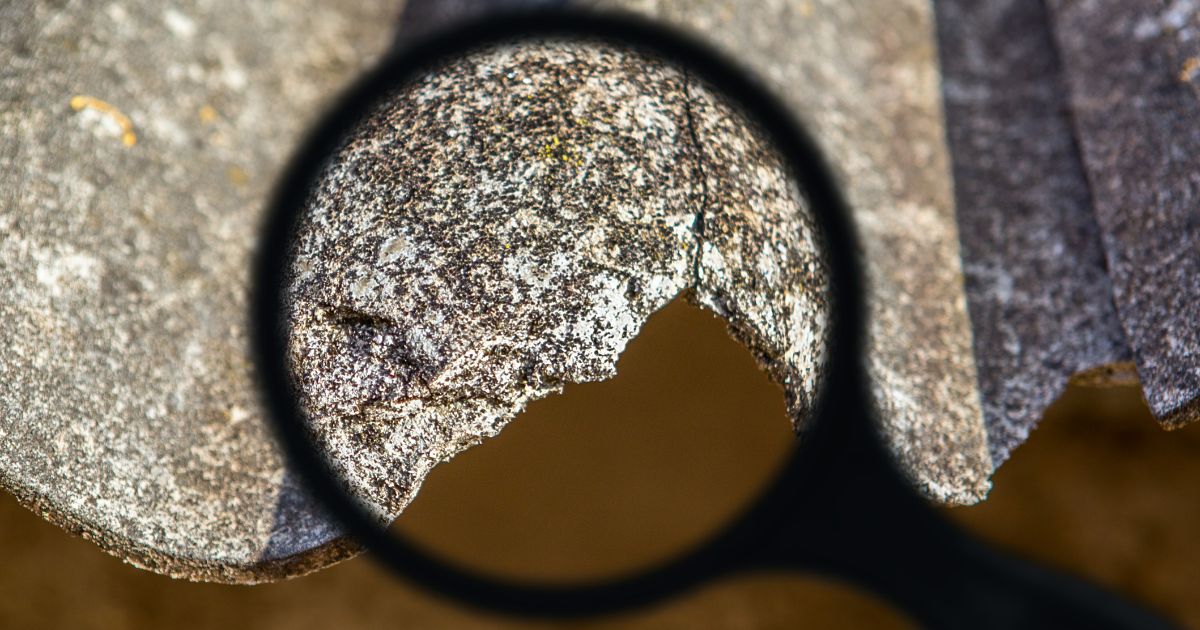
It is not always easy to recognise with the naked eye. The only sure way to confirm it is by a laboratory analysis carried out by a specialised company. If there are suspicions, the most sensible thing to do is not to touch anything and contact professionals to ensure its composition and remove asbestos.
What the law in Spain says about asbestos
As already mentioned, since 2002, the use of asbestos has been totally banned in our country. This includes its manufacture, marketing and installation. However, the regulation also establishes a series of clear obligations for those who own or manage properties where this material can be found as part of their structure and components.
- Asbestos may not be handled without authorisation or specific protection..
- Any withdrawal must be carried out by companies registered in the RERA (Register of Companies at Risk from Asbestos).
- Before taking action, it is mandatory to submit a WORK PLAN to the labour authority.
- Protective measures must be taken for workers, neighbours and the environment.
In addition, the latest European updates have further tightened exposure limits and measurement protocols. The tolerance is zero.
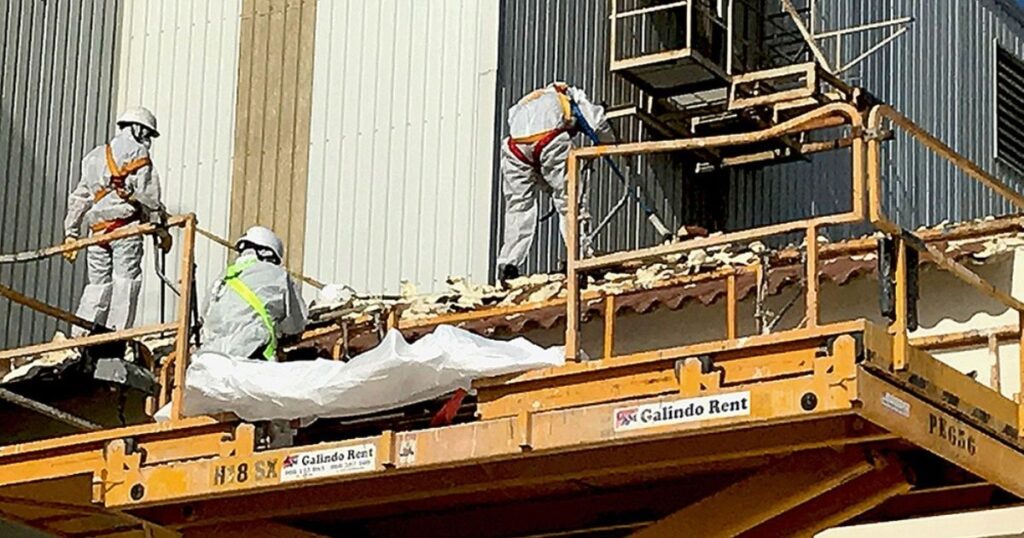
What should owners and companies do when removing asbestos?
If you have premises, buildings or installations that could contain asbestos, you are not alone. In fact, it is a very common situation. But it is also important to know that there are safe and effective solutions. Here are some key steps:
- Make a technical assessment. Do not act without knowing. A specialised company can check your property and carry out the necessary tests.
- Avoid intervening on your own. Drilling, breaking or cutting suspect materials is extremely dangerous.
- Get informed and well-informed. Each case is different, and the solutions must be different too.
- Rely on an authorised company. Only they can remove asbestos legally and safely.
Why having a specialist company makes all the difference
Removing asbestos is not just any job. It requires experience, training and, above all, a protocol rigorous. An approved company is responsible for:
- Carrying out the identification tests necessary
- Design and present the work plan to the authorities.
- Establish a secure perimeter during the intervention
- Decontaminate, withdraw y transport waste with authorised means
- Issue the certificates that demonstrate the elimination of the risk
At InnovaWe have been working for years in the field of asbestos removal on roofs, industrial facilities and buildings of all kinds. We know how to do this quickly, safely and in compliance with all legal requirements. Our priority is that you don't have to worry about anything.
Prevention is the best tool
Asbestos represents a real risk, but it is also manageable. Knowing the problem, acting responsibly and relying on qualified professionals is the key. It is not only a matter of complying with the law, but also of protecting the health of those who live, work or pass through this space..
If you suspect that your property may contain asbestos or if you need technical advice, at Innova we can help you. Because you don't have to wait until there is a problem to take action.
- Published in Construction
Types of metal structures and their most common applications
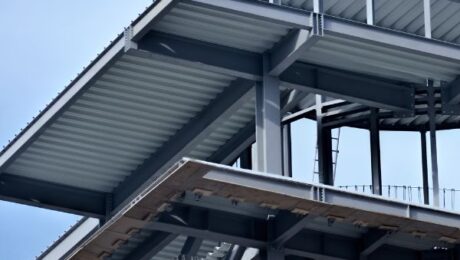
It is visible to the naked eye, on any walk through the cities, how the metallic structures have revolutionised the world of modern construction. The fundamental reasons for this transformation are its versatility, strength and efficiency.
From the skyscrapers that shape city skylines to the logistics warehouses that move the pulse of industry, the use of metal as the main structural element has established itself as one of the most important smarter choicesfor both large-scale and smaller-scale projects.
It is worth asking, in any case, whether we really know what types of metal structures exist and in what contexts they are used. The aim of this article is to explore the main metallic structural typologies, their advantages and the scenarios in which they offer the best performance, taking as a reference the experience of leading companies in the sector, such as Ingea Innovawhere we have been providing efficient and customised solutions in this area for years.
1. Cross-linked structures (lightness and efficiency)
Also known as triangulated structures or metal trusses, they are formed by bars joined in the form of triangles, which allows the loads to be distributed efficiently..
It is a geometric design whose triangulation ensures stability, minimises the risk of deformation and reduces the overall structural weight.
They are especially useful when large spans need to be covered without intermediate supports, as in:
- Industrial buildings
- Pedestrian or vehicular bridges
- Sports roofs
- Hangars and logistics warehouses
This type of structure stands out for its low own weight in relation to the load-bearing capacity they can withstandThis reduces the need for heavy foundations. In addition, it allows for modular construction, facilitating transport and assembly.
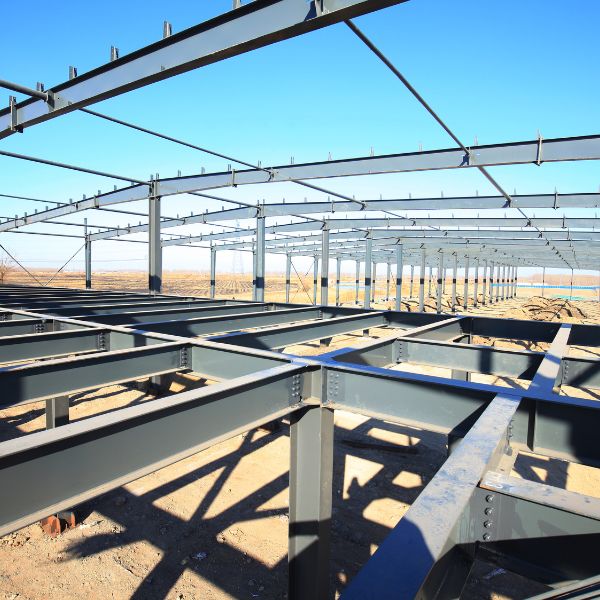
In cases such as those developed by Ingea Innova in logistics complexes, the reticulated solution has been key to reducing execution times and guaranteeing total accessibility.without pillars interrupting the usable space. This type of structure is also common in pavilion roofs, where the absence of intermediate columns improves the functionality of the enclosure.
2. Metal portal frames: robustness for modular buildings
This is one of the most common structural systems in steel construction. It consists of rigid frames forming the load-bearing structure of rectangular buildingsusually with pitched roofs. This system is characterised by combining structural simplicity with excellent resistance to vertical and horizontal loads.
Its main fields of application include:
- Retail-type commercial premises
- Industrial and agricultural buildings
- Logistics centres
- Mechanical workshops
One of its major advantages is the modularitywhich allows the structure to be easily expanded or modified. Added to this is a remarkable speed of executionideal for sites that need fast delivery without sacrificing quality.
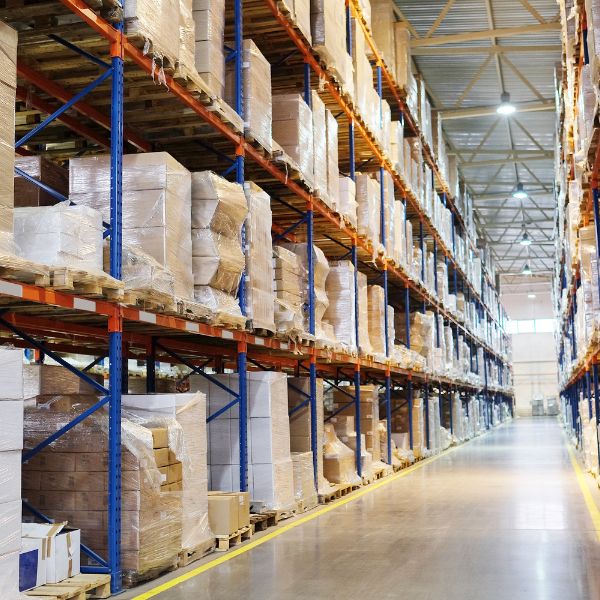
In addition, the gantries allow a good use of interior spaceThis is especially valued in industrial projects. Ingea Innova has implemented double-height porticoes in mixed buildings (warehouse + offices), integrating natural lighting solutions using translucent panels and passive ventilation systems.
3. Three-dimensional spatial frameworks: solutions for the large scale
When there is a need to build spaces without visual or structural restrictions, such as stadiums, auditoriums or transport stations, the three-dimensional spatial structures come into play. They are systems composed of metal nodes and rods that form a three-dimensional framework of high rigidity and strength.
Its main benefits are:
- High capacity to cover large areas without interior columns
- Structural stability in all directions
- Modern aesthetics and visual impact
This type of solution requires a more complex detailed engineering and precise planning during the construction phase. In these cases, the design phase is particularly important, as small errors can have a significant impact on the installation.
Ingea Innova has shown that, thanks to the use of BIM modelling tools and load simulation in a 3D environmentIn this way, it is possible to anticipate any incident and optimise both manufacturing and on-site assembly.
4. Lattice structures: tradition with high performance
The metal lattices are structures composed of cords (upper and lower) and diagonals forming a kind of light but strong skeleton. Their behaviour under horizontal and vertical loads makes them ideal for specific applications such as:
- Rail and road bridges
- Electrical transmission or telecommunication towers
- Cranes and heavy machinery
- Modular footbridges or viaducts
What makes these structures stand out is their excellent weight/load capacity ratioand the possibility of be manufactured in tranches which are then assembled on site. This aspect is key on sites that are difficult to access or where assembly must be carried out under limited conditions.
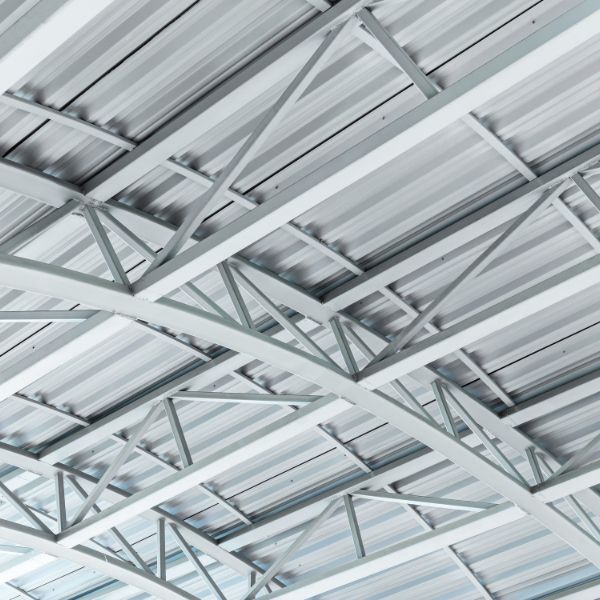
While some firms continue to use traditional methods, companies such as Ingea Innova have incorporated robotic welding technology, non-destructive quality control and hot-dip galvanising to ensure durability and strengtheven in saline or high humidity environments.
5. Mixed structures: the best of two worlds
These structures combine steel with concrete or other materialsThe best of each can be used. For example, metal columns can be used with reinforced concrete slabs, or steel beams with composite slabs. In this way, an ideal synergy is achieved to optimise the design in both structural and functional terms.
Where do they apply?
- Office buildings and educational establishments
- Hospitals and health centres
- Multi-storey car parks
- Rehabilitation and structural reinforcement
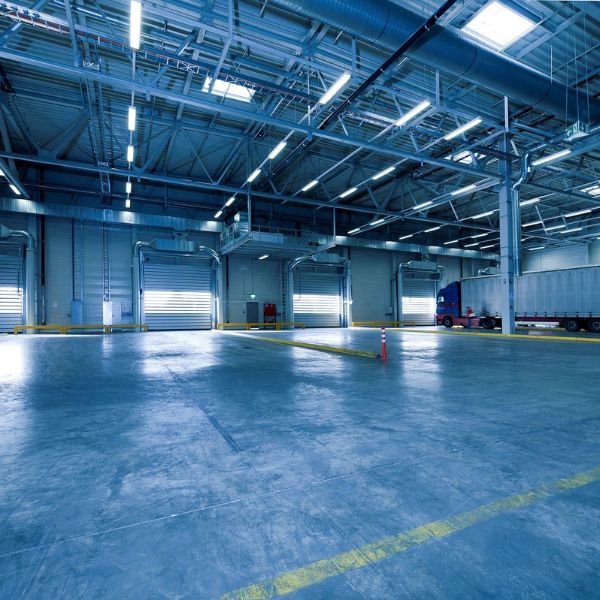
These structures offer great architectural flexibilityThe new, cost-optimised, high-speed, high-speed systems are particularly useful on urban construction sites where construction rates are demanding and margins for manoeuvre are tight.
Thanks to advanced engineering, firms such as Ingea Innova have taken this type of solutions to the next level, applying them even in integral renovation projects where the aim is to to lighten the structural load without compromising the original load-bearing capacity.
6. Self-supporting towers and structures: vertical stability
In fields such as wind energy, public lighting or telecommunications, the following are required free-standing vertical structuressuch as metal towers or masts, designed to withstand wind loads, self-weight and extreme conditions. Here, the lightness of the steel and its ability to withstand bending stresses is crucial.
Typical applications:
- Telecommunication towers
- Lighting masts
- Wind towers
- Supports for billboards and urban signage
These structures, although less visible to the general public, require a high specialisation. Knowledge of anchoring, structural dynamics and anti-corrosion galvanisation is key.

In addition, the design of this type of structure must take into account the possibility of maintenance at heightIt is therefore common to incorporate interior stairways, inspection platforms and anti-fall safety systems.
Steel, a material that builds the future
In short, each type of metal structure responds to specific needs, but they all share a common denominator: their adaptability. In an environment where deadlines are shortened, energy efficiency is a priority and architectural aesthetics gain weight, metallic solutions are consolidating as one of the best choices. of the present and the future.
The use of steel not only makes it possible to respond effectively to today's structural challenges, but also opens the door to new possibilities in terms of sustainability and reuse. Your 100 % recyclability % makes it a key material for a more conscious and environmentally friendly construction.
About us
In this context, the role of companies such as Ingea Innova is not only about designing and manufacturing structures, but also about interpret the needs of each client and transforming these ideas into tangible solutionssafe and durable. With a comprehensive approach, ranging from engineering and structural calculation to manufacturing and assembly, they have established themselves as a benchmark in a sector that increasingly requires precision, agility and long-term vision.
At Ingea InnovaWe have years of experience in the design, construction y maintenance from metal structures. Our commitment is to offer durable solutions and efficient solutions that adapt to every need. If you need advice or specialised services, do not hesitate to contact us.
Together, we build a stronger future.
- Published in Construction
Maintenance of steel structures: Tips and best practices to extend their service life
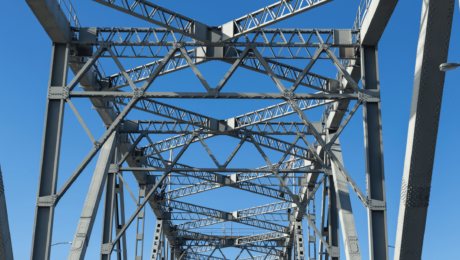
It goes without saying that metal structures are among the most efficient and durable solutions in the world of construction. Whether it is because of their strength, versatility or their ability to withstand heavy loads, they are considered the preferred choice for all types of industrial, commercial and even residential projects.
However, like any material exposed to environmental conditions, steel requires proper maintenance to ensure its integrity and functionality over time.
Innovawith this article, aims to share tips and good practices to prevent corrosion, apply corrosion protection techniques and carry out periodic inspections to ensure the durability of your metal structures.
1. Preventing corrosion and wear and tear
If there is one enemy of metal structures, it is, without a doubt, the corrosion. As is well known, this is a phenomenon caused by exposure to oxygen, humidity and chemical agents which, little by little, if nothing is done to prevent it, will end up weakening the steel and compromising its stability.
Fortunately, there are several strategies to prevent it:
Selecting the right material
Use steels with alloys corrosion resistantas the stainless steel or galvanised steelwill make a big difference in the future.nd wet or corrosive environments. For example, galvanised steel is ideal for structures exposed to the elements, as the zinc acts as a protective shield.
Control of the environment
Whenever possible, it is advisable to avoid direct exposure of structures to extreme conditions, such as salinity in coastal areas or industrial environments with high levels of pollution. Where this is not feasible, physical or chemical barriers should be implemented to reduce the impact of these oxidising factors.
Efficient design
A good design manages to minimise the points of accumulation from humidity y dirt. For example, it is important to avoid tight corners or angles where water stagnates, a simple but very effective practice.
Cathodic protection
In structures buried or submergedsuch as pipes or piles, the cathodic protection is an effective technique that uses electrical current to prevent oxidation. This method is especially useful in critical infrastructures, such as bridges o offshore platforms.
Use of corrosion inhibitors
In controlled environments, such as storage tanks or piping systems, chemical inhibitors are used to slow down the corrosion process.
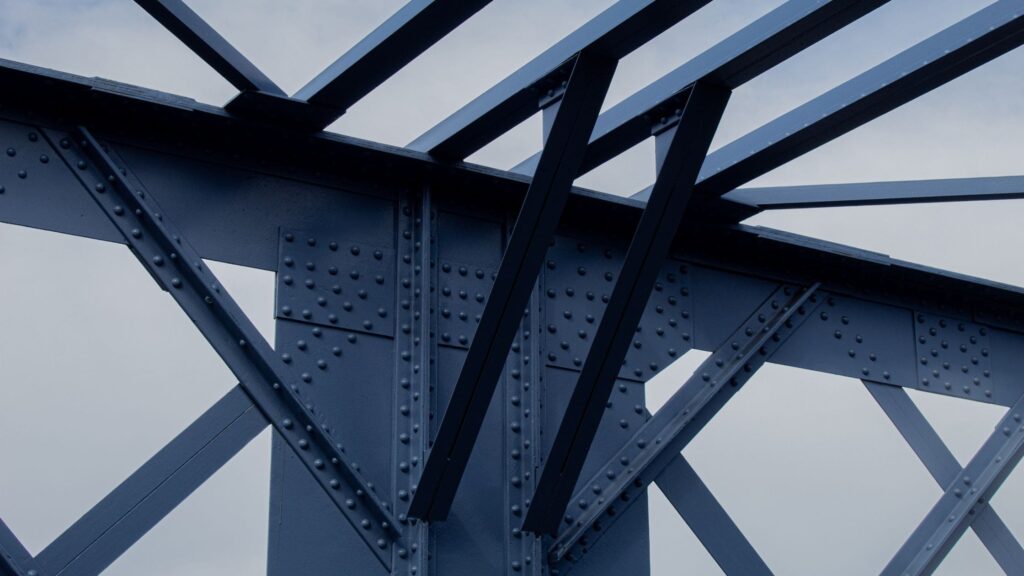
2. Painting techniques and corrosion protection
The application of protective coatings is one of the most common and effective practices to prevent corrosion on metallic structures. The following are the most commonly used techniques.
Surface preparation
Before applying any coatingis essential clean y prepare the surface. This includes the removal of rust, scale and contaminants by techniques such as sand blasting or the use of wire brushes. A well-prepared surface ensures a better adhesion of the coating.
First layers of protection
The application of a primer is essential to ensure adhesion of the coating and to provide an initial barrier against moisture and corrosive agents. Zinc-rich primers are especially effective for structures exposed to severe conditions.
Anticorrosive paints
There are specialised paints containing inhibitors from corrosionsuch as zinc or phosphate. These paints protect and act as an active shield against rust. In addition, they offer a wide range of colours and finishes, which effectively combine protection and aesthetics.
Epoxy and polyurethane coatings
For more demanding environmentsIn the chemical industry, such as chemical plants or coastal areas, epoxy and polyurethane coatings offer superior protection thanks to their chemical resistance and durability. These materials are ideal for structures that require a waterproof and impact resistant barrier.
Galvanisation
This process consists of covering steel with a layer of zincgalvanising, either by hot-dip galvanising or electroplating. Galvanisation is particularly useful in exposed structures outdoor applications, such as light poles, railings or bridge structures.
Intumescent coatings
At case of firethe coatings intumescent expand to form an insulating layer that protects the steel from high temperatures. This is an essential technique in buildings where fire resistance is a requirement.
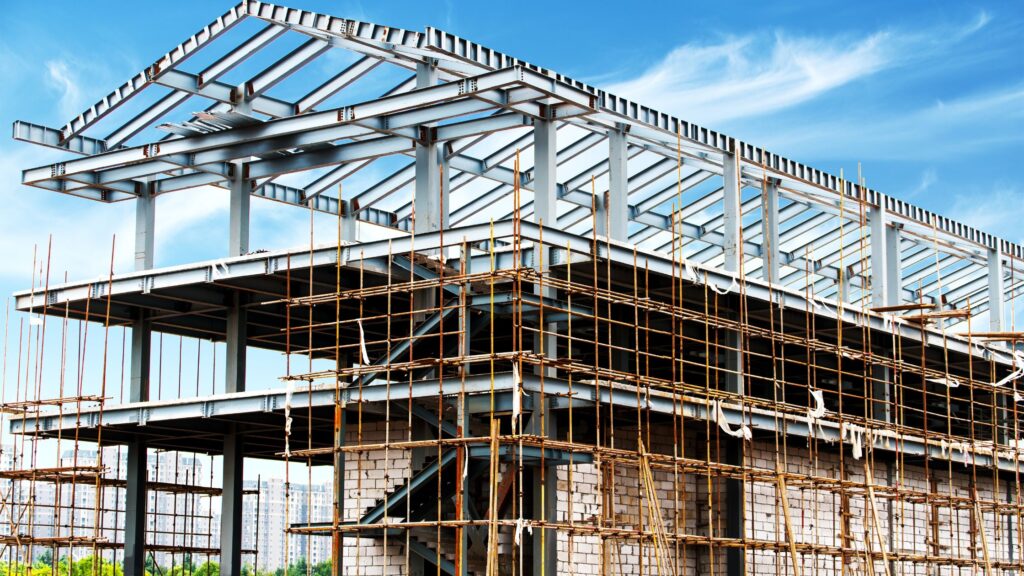
3. Periodic inspections and their importance
As is to be expected, in order to maintain metal structures in perfect condition, the preventive maintenance is also key, as it allows for early detection of problems and avoid costly repairs in the future. Regular inspections allow signs of corrosion, cracks or deformation to be identified before they become a risk.
Critical points to review
As mentioned above, particular attention will have to be paid to the links, welds y exposed areas to moisture, as these are the points most vulnerable to corrosion and wear. It is also important to check the fastenersThe deterioration of such components, such as screws and bolts, can compromise the stability of the entire structure.
Use of advanced technology
Technology is constantly developing tools that make this work more efficient. Tools as dronesthermographic cameras and ultrasound significantly facilitates the inspection from difficult to access areas and provide accurate data on the condition of the structure.
Documentation and monitoring
Carrying a detailed record of each inspection, including photos and measurements is highly recommended, as it will allow progress to be monitored and corrective actions to be planned. In this sense, a maintenance management system (CMMS) will be of great help in organising this information.
Collaboration with experts
Having a team of professionals at maintenance of metal structures ensures that the inspections are carried out in a manner that is strict and in accordance with industry standards. In addition, experts offer customised recommendations based on the specific conditions of the structure to be maintained and protected.
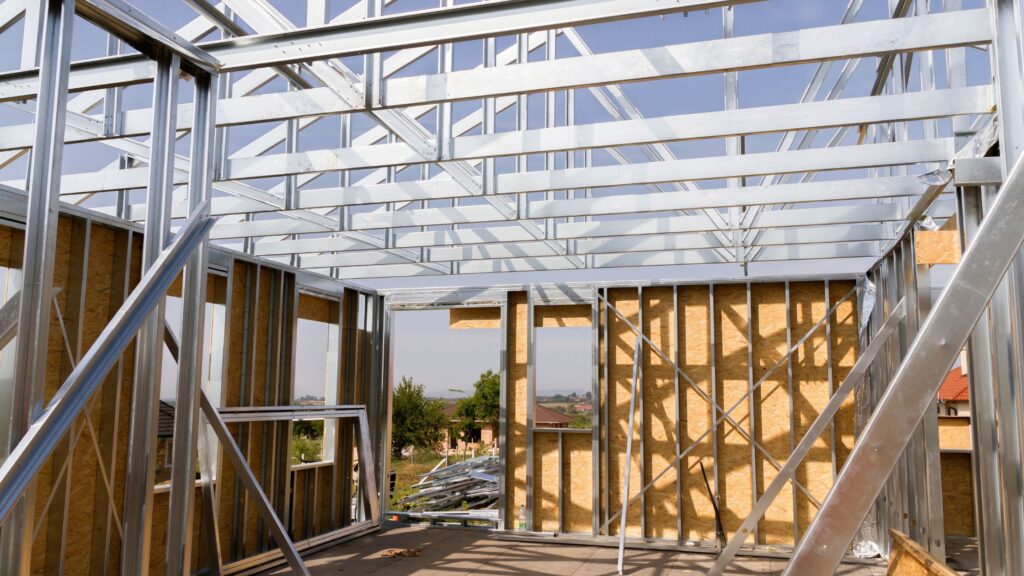
4. Case studies of successful maintenance
To illustrate the importance of maintenance, these two case studies are perfect examples.
Metal bridge in coastal area
A bridge exposed to the salinity of the sea requires a intensive maintenance. For cases such as these, a system of cathodic protection combined with epoxy coatings. Six-monthly inspections will allow small areas of corrosion to be detected and repaired before they spread, ensuring the integrity of the bridge for more than 30 years.
Industrial building with high exposure to chemicals
In a chemical plantIn this case, metal structures are exposed to corrosive vapours. In this case, the following must be used intumescent coatings and establish a programme of quarterly inspections. This will prevent premature deterioration and reduce repair costs by 40%.
Conclusion
It can be stated that invest in maintenance will mean a considerable savings on repairs. By implementing preventive practices, such as corrosion protection, the application of appropriate coatings and regular inspections, not only do we extended lifespan of the structures, but it also ensures that the security of people and the continuity of projects.
At Ingea InnovaWe have years of experience in the design, construction y maintenance from metal structures. Our commitment is to offer durable solutions and efficient solutions that adapt to every need. If you need advice or specialised services, do not hesitate to contact us.
Together, we build a stronger future.
- Published in Construction
Concrete Structures: Which one to choose for your project?
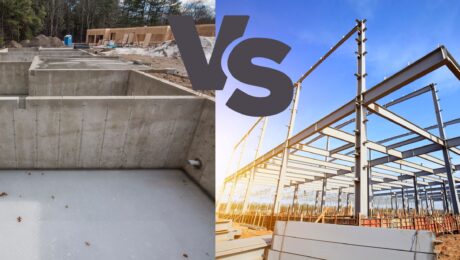
Undoubtedly, any professional will agree that, when it comes to constructing any type of building, one of the most important decisions is the choice of structural material.
Generally speaking, two of the most commonly used options in the construction sector are the metal and concrete structures. Both have advantages and disadvantages that may make them more or less suitable depending on the type of project.
In this article, we will analyse their characteristics, key differences and in which situations it is appropriate to opt for one or the other.
1. General characteristics of each type of structure
Before choosing between one type of structure or another, it is essential to know its main characteristics. Each of them offers unique properties that will have a decisive influence on the strength, durability, costs and speed of construction.
Metal structures
Mainly made of steel, a material that stands out for its strength, versatility and adaptability to different types of construction. They are widely used in industrial buildings, skyscrapers, bridges and large-scale structures.
Some of the advantages of steel in construction are as follows:
Lightness and strength
It allows the construction of high-rise structures without overloading the foundations.
Speed of assembly
As it is pre-manufactured in the workshop and assembled on site, it reduces execution times.
Structural flexibility
It withstands seismic movements better due to its deformation capacity.
Sustainability
It is a recyclable material, which makes it a more environmentally friendly option compared to other building materials.
The use of metal structures also has certain disadvantages:
Maintenance cost
They require anti-corrosion treatments and fire protection.
Higher thermal conductivity
Additional insulation may be required to improve the energy efficiency of the building.
Concrete Structures
This is a material composed of cement, water, sand and gravel, which when set becomes a solid and resistant mass. It is commonly used in housing, public infrastructure and large-scale buildings.
Its advantages in construction are as follows:
Durability and resistance
It is a highly compression-resistant material with a very long service life.
Low maintenance
It does not need specific treatments, like steel, to prevent corrosion.
Thermal and acoustic insulation
It offers better thermal regulation and reduces noise transmission.
Affordable cost
In many cases, it is more economical compared to metal structures.
As in the previous case, there are also some negative aspects to be mentioned here:
Increased weight
It generates higher loads on the foundation, which can increase foundation costs.
Less structural flexibility
Its stiffness makes it more vulnerable to seismic movements if not combined with adequate bracing.
Slower construction process
It takes considerably longer to set and cure compared to the assembly of metal structures.
2. Key comparison between steel and concrete structures

In order to make the best decision for the project at hand, it is important to compare the two materials on the basis of different criteria:
Structural strength and behaviour
Steel structures are noted for their ability to withstand high tensile and bending stresses. They are more suitable for constructions that require long spans without intermediate columns.
Concrete structures, on the other hand, are very resistant to compression, which makes them ideal for multi-storey buildings and structures requiring high load-bearing capacity.
Cost of construction and maintenance
In general, steel tends to be more expensive in terms of material and assembly, but reduces construction time and labour. Concrete, however, while cheaper in terms of material, has a longer construction process and requires formwork and curing, which will ultimately result in a cost overrun on the overall construction.
In terms of maintenance, steel requires more care due to the risk of corrosion, whereas concrete is more stable over time.
Construction speed
As can be expected from what has already been mentioned, metal structures allow for faster construction, as the parts are manufactured in the workshop and only require on-site assembly. Concrete requires more time for setting and hardening, which will delay the execution of the project.
Sustainability and recyclability
In this respect, steel is a clear winner, as it is 100% recyclable, making it a sustainable option in circular economy projects. Concrete, although durable, generates waste that is difficult to recycle and although techniques are being developed for its reuse in other projects, it may take a few more years before it becomes commercially interesting.
3. Which one to choose according to the type of project?
So, based on the information provided, which of the two systems should be chosen.
When to choose steel structures
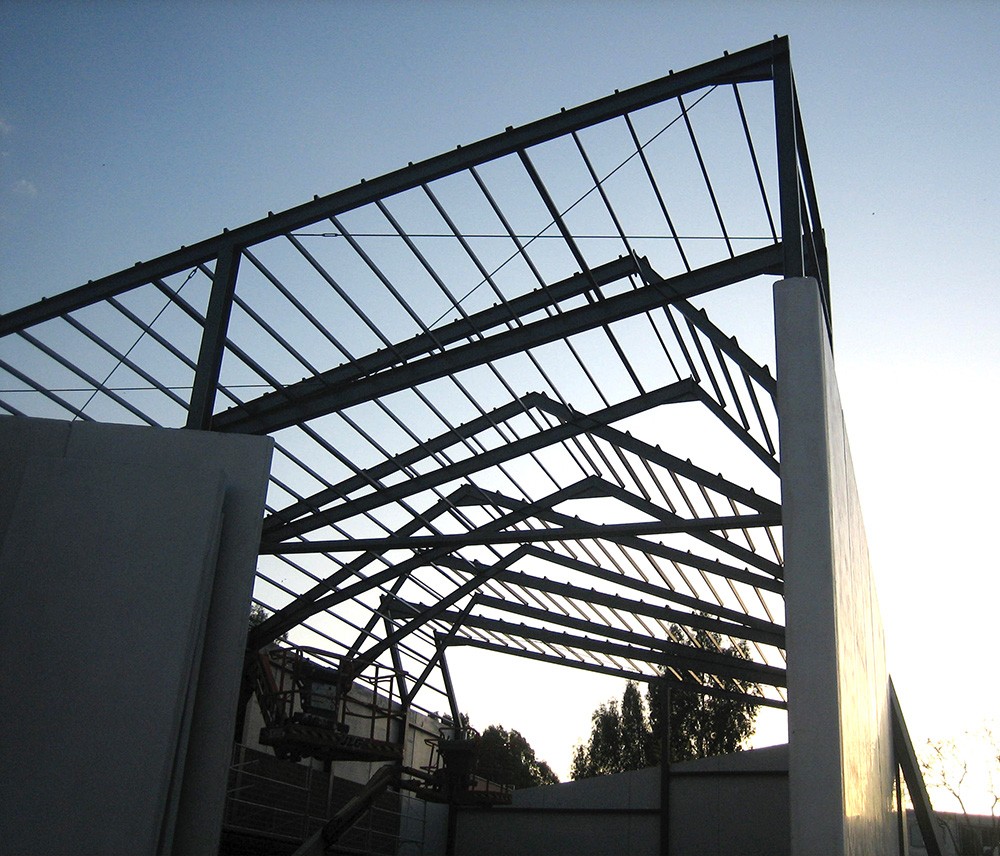
In the following cases, metal structures are more suitable.
High-rise buildings
Its lightness and strength allow the construction of skyscrapers and buildings with large spans without intermediate pillars.
Industrial structures
Logistics warehouses, warehouses and factories often use steel because of its speed of assembly and adaptability.
Seismic zones
In earthquake-prone regions, steel is more flexible and absorbs vibrations better.
Projects with tight deadlines
If speed of construction is a key factor, steel can significantly reduce construction times.
When to choose concrete structures
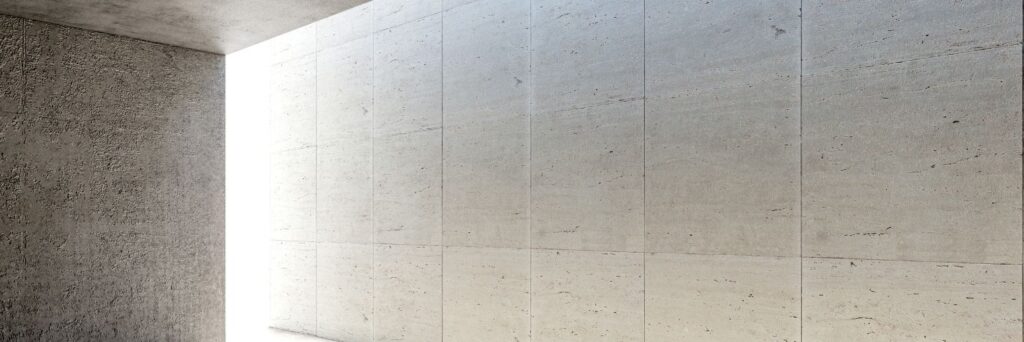
For these others presented below, choosing concrete structures is more advisable.
Housing and residential buildings
Its thermal and acoustic insulation make it ideal for this type of construction.
Public infrastructure
Bridges, roads and dams are often built in concrete because of its compressive strength and durability.
Tight budget projects
If the cost of materials is a determining factor, concrete is usually more affordable than steel.
Extreme climate zones
Its low thermal conductivity makes it more energy efficient in cold or hot climates.
Ultimately, as might be expected, there is no single answer. The choice between steel and concrete structures depends on many factors, such as the type of construction, the budget, the location and the specific needs of the project.
If you are looking for speed, flexibility and lightweight structures, steel is the best choice.
If the priority is on durability, compressive strength and lower maintenance, concrete may be more suitable.
In any case, each material has its place in construction and, in many cases, they combine to make the best of both worlds. Consult with structural engineering experts will ensure that the best decision is made for the safety, efficiency and viability of the project.
If advice is required for a steel structure construction project, Ingeainnova is here to help with innovative and efficient solutions.
If this is your case, contact us and let's make your architectural vision come true!


- Published in Construction
Trends in sustainable steel construction by 2025
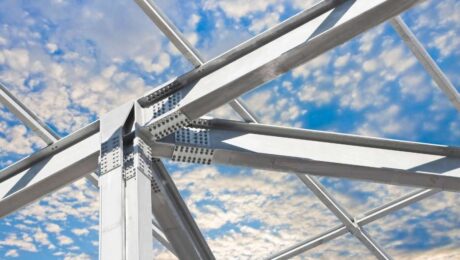
The sustainability in construction has ceased to be a passing trend and has become a global standard. The fundamental reason why they have acquired this position of predominance is due to their prominence as a versatile, efficient and environmentally friendly solution.
Companies such as Ingea Innovaspecialising in cutting-edge techniquesare leading this change, setting the pace for a more sustainable future. In this article, we analyse the main trends in the use of sustainable metal structures in the 2025 that has just begun.
1. Recycled and recyclable materials: steel, the absolute protagonist
As is well known, a fundamental quality these days in order to the use of steel is that it is a 100% recyclable material.It can be reused without losing its structural properties. This characteristic makes it an ideal choice for sustainable buildingsThe need for a global awareness of the global situation is growing.
This is one of the strongest reasons for implementing the planned increase in the production of steel made from recycled materials by 2025, aiming for a significant reduction in the carbon footprint.
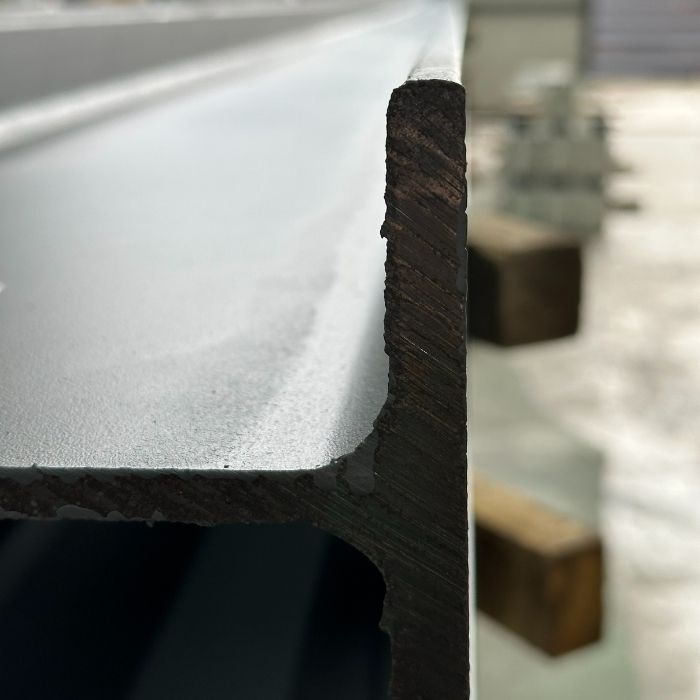
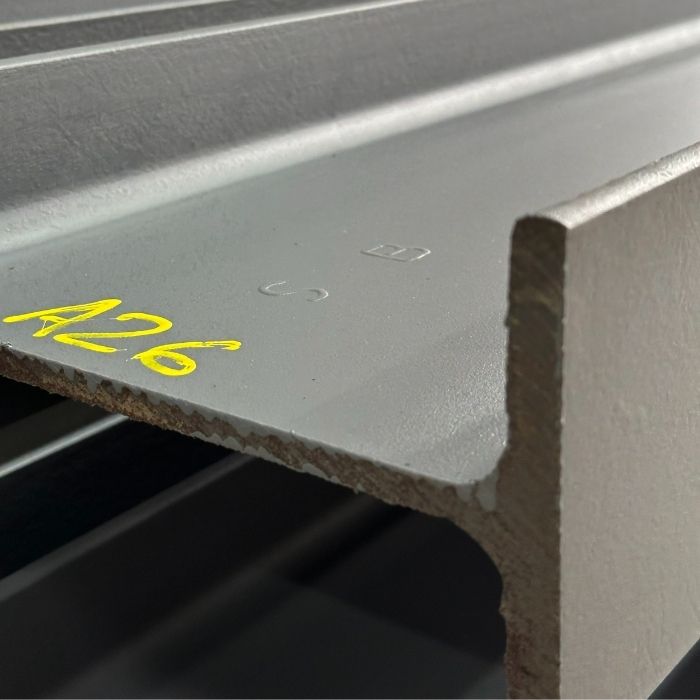
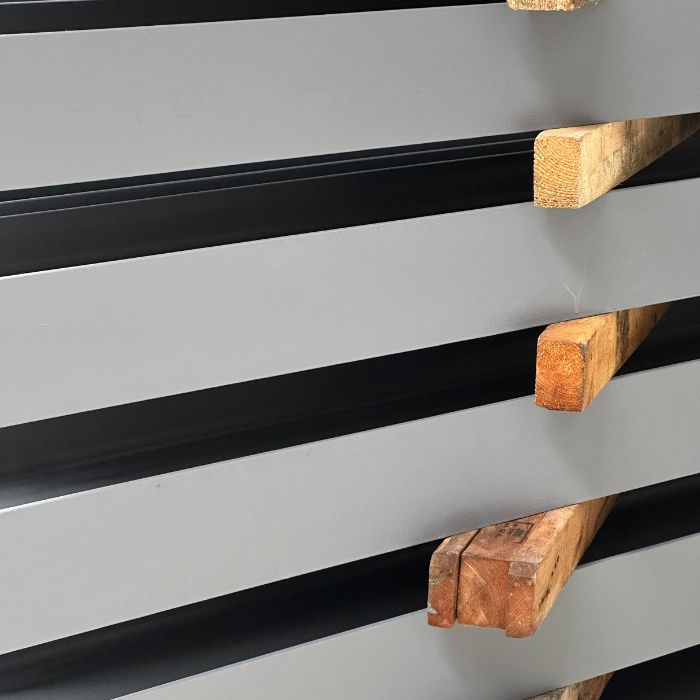
The key trend is in green steel, a material manufactured using processes that use renewable energies and promises to transform the industry by aligning it with global sustainability goals.
In this regard, companies such as Ingea Innova are adopting innovative practices to maximise the use of these materials, contributing to projects that meet and exceed environmental standards.
2. Modular design with metal structures
Modular design is revolutionising the constructionand the metal structures are your perfect ally, as they allow the creation of prefabricated modules that are assembled on site quickly and accurately, reducing waste, price and construction time.
The advantages of this system include a less waste generation in the construction processThe modules are easy to dismantle and reuse, and transport and logistics are optimised, reducing the carbon footprint.
In 2025, we will see greater integration of technologies such as BIM (Building Information Modelling) to plan modular projects with millimetre accuracy, minimising errors and ensuring energy efficiency.
3. Advanced technologies to optimise sustainability
The digitisation is significantly boosting sustainability in the construction sector. Metal structures are directly benefiting from the technological tools by improving their design, manufacture and maintenance. Thus, the most important innovations for this year will be the following.
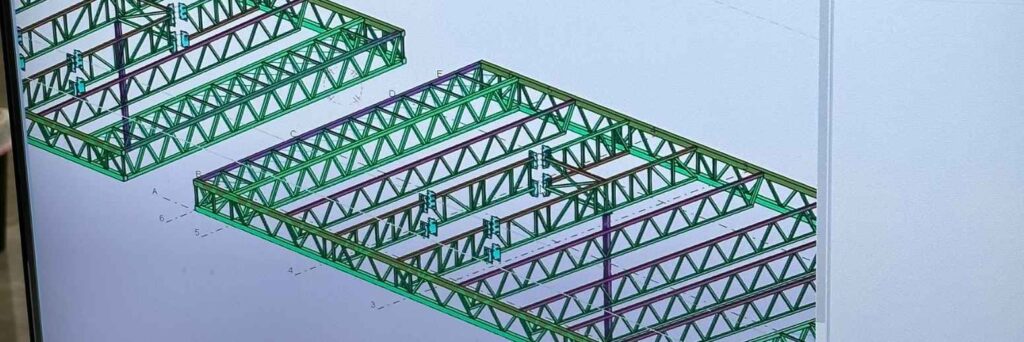
3D printing of metal components
It is a technique that allows the creation of customised parts with greater precision, reducing material waste.
IoT in metal constructions
Sensors connected to the Internet of Things make it possible to monitor the state of structures in real time, detecting critical points and prolonging their useful life.
Robotics in manufacturing and assembly: Specialised robots are optimising the production and assembly of metal structures, reducing costs and increasing safety at work.
Ingea Innova integrates these technologies into its projects, offering solutions adapted to the specific needs of each client.
4. Energy efficiency through innovative designs
In the 21st century, architectural design plays a key role in sustainability. Today, metal structures enable the creation of energy-efficient buildings, thanks to their ability to support large spans and open designs that maximise the use of natural light and ventilation. Architectural trends in 2025 in relation to energy efficiency are as follows:

Intelligent metal facades
With the incorporation of thermal insulation and passive ventilation systems to reduce energy consumption.
Green roofs on metal structures
Green roofs not only insulate buildings thermally, but also help to combat the heat island effect in cities.
With these innovations, buildings adapt to the needs of the present while preparing for future climate challenges.
If you want to know how to get the most out of energy efficiency, here is how you can make the most of it. 10 practical tips for optimising energy efficiency in industrial warehouses.
5. Sustainability certifications in metal projects
By 2025, sustainability certifications will be an essential standard for any building. Metal structures, due to their versatility and efficiency, make it easier to obtain seals such as LEED, BREEAM and WELL.
The use of these certifications will attract benefits such as increased market value for properties, reduced long-term operating costs and recognition in the industry for environmental commitment.
Companies such as Ingea Innova are developing projects that meet the highest standards, ensuring sustainable construction from design to operation.
6. Hybrid construction: combining the best of several worlds
Special attention deserves to be paid to hybrid solutions, which combining metal structures with materials such as wood and concreteand their growing popularity in the market. They are constructions that take advantage of the benefits of each material to optimise costs, functionality and sustainability.
Its advantages include the carbon footprint reduction by combining natural materials, such as wood, with the strength of metal, greater flexibility in architectural design and adaptation to local sustainability regulations.
It is a rapid growth trend which is redefining the way projects are planned, offering solutions adapted to the particularities of each environment.
7. Circular economy applied to steel construction
This type of economic system is recognised as having a fabulous capacity for minimising waste and reusing existing resources. In the field of steel structures, this means developing projects with a full life-cycle approach.

Circular economy practices for 2025 include the use of recycled materials in the manufacture of structures, planning for the dismantling and reuse of metal components at the end of their useful life, as well as the recycling of waste generated during construction.
Also Ingea Innova is leading the shift towards this model, promoting responsible practices that ensure maximum use of resources.
8. Sustainable urban planning with steel structures
All the advantages of metal structures are also transforming cities, and will continue to do so with greater emphasis and efficiency this year, as they will be key to developing sustainable urban infrastructures such as bridges, transport stations and public buildings.
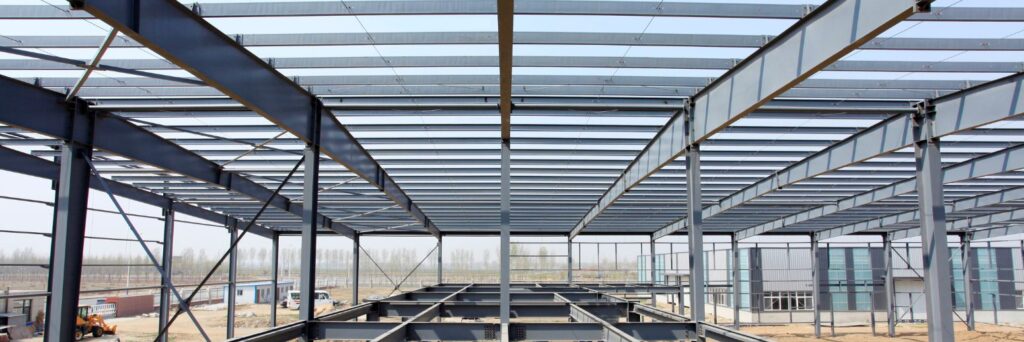
Some of the most notable examples of sustainable urbanism are low environmental impact metal bridges (designed to minimise impact on the natural environment), efficient transport stations (incorporating solar energy and passive ventilation systems), zero emission public buildings (built with metal structures that support renewable energy generation systems).
The sustainable urbanism approach improves people's quality of life and reduces the environmental impact of cities.
In short, a sustainable metal future is possible. The conclusion drawn from this analysis is that by 2025, the metal structures are consolidated as a key solution in the sustainable construction. Their versatility, durability and compatibility with advanced technologies make them the ideal partner to meet the environmental challenges of the future.
Ingea Innovawith its commitment to innovation and sustainability, is at the forefront of this change. Through projects that integrate responsible practices and state-of-the-art technologiesshows that it is possible to build a greener future without sacrificing functionality and aesthetics.
The transition to more sustainable construction is not an option, it is a necessity. And thanks to steel structures, this transformation is closer to becoming a tangible reality and a win-win situation.
- Published in Construction
Advantages of steel structures in modern construction

Advantages of steel structures in modern construction
Metal structures have been, are and will continue to be, in the medium and long term, a fundamental pillar in the construction industry. Although their beginnings formed an indisputable part of the industrial revolution, today their relevance continues to grow continuously, strengthening their presence in all types of buildings. This is due, to a great extent, to the advantages of steel structures in modern constructionwhich have revolutionised architectural design and sustainability.
Today, the use of steel and other metallic materials in architectural projects represents much more than functionality: it is synonymous with innovation, sustainability and avant-garde design. This article takes a closer look at the advantages of steel structures in modern constructionThe report analyses how they have transformed the sector and the trends that will define its future.
Sustainability and the advantages of steel structures
In a world facing significant environmental challenges, sustainability is a priority in the construction industry. This is where steel positions itself as a key material, thanks to its recyclability, durability and low environmental impact. Among the advantages of steel structures in modern construction The following stand out:
- Infinite recyclability: Steel can be recycled indefinitely without losing its properties, making it an optimal choice for sustainable projects.
- Waste reduction: Metal structures are usually custom-made, which minimises waste in the construction process.
- Energy optimisation: They allow easy integration of solutions such as solar panels or thermal insulation systems, helping to reduce energy consumption in the long term.
An outstanding example is "The Crystal" in London, an iconic building that uses recycled steel in its structure and stands out for its energy efficiency. This project not only demonstrates the sustainable potential of steel, but also represents a model for future buildings.
In addition, the long-term maintenance of metal structures tends to be much lower compared to other materials. Thanks to their strength and durability, these buildings often require fewer interventions, which not only optimises costs, but also minimises environmental impact.

Innovation with hybrid materials
The incorporation of hybrid materials, such as mixtures of metals with advanced composites, amplifies the advantages of steel structures in modern construction. These combinations make it possible to develop lighter, stronger and more sustainable buildings. In addition, they offer superior thermal and acoustic properties, improving user comfort.
A prime example is the use of sandwich panels with foam insulation cores and metal cladding. These panels are ideal for industrial, commercial and even residential constructions, as they combine lightness with a excellent thermal and structural performance. Also, materials such as titanium, combined with carbon fibre, are being used in projects requiring high strength, such as bridges or buildings located in seismic zones.
Aesthetics and architectural impact
Metal structures are not only functional, but also offer endless aesthetic possibilities. Architects around the world have harnessed the unique properties of steel and other metals to create spectacular designs that define urban landscapes. From curved, geometric shapes to minimalist designs, metal structures have pushed the boundaries of contemporary architecture.
Examples such as the Eiffel Tower in Paris, the Burj Khalifa in Dubai and the Guggenheim Museum in Bilbao show how metal structures can combine functionality, aesthetics and innovation. These projects are not only benchmarks for their durability, but also stand out for the way they integrate technology and avant-garde design.

Economic advantages of steel structures
In addition to the technical and aesthetic benefits, metal structures also offer economic advantages. Prefabrication of components significantly reduces construction times, which in turn minimises the costs associated with labour and logistics. In addition, the durability of steel ensures a long service life, reducing maintenance and repair costs in the long term.
For large projects, such as bridges or skyscrapers, these economic advantages are essential to justify their choice. Even for smaller projects, such as housing or commercial structures, the financial benefits are evident when considering the full life cycle of the material.
Conclusion: The future is metal
The advantages of steel structures in modern construction ensure their role as leaders in architectural evolution. From their contribution to sustainability to their ability to adapt to innovative designs, steel and other metals will continue to set the pace for progress in the construction industry.
With iconic examples such as the Eiffel Tower and the Burj Khalifa, and new trends such as prefabrication, the use of hybrid materials, and the integration of BIM technology, the metal structures are set to continue to lead the transformation of architectural design and engineering. Their ability to combine functionality, sustainability and aesthetics ensures that they will remain at the heart of innovation in the sector.
- Published in Construction
10 Practical tips for optimising energy efficiency in industrial warehouses

In the industrial environment, energy efficiency is more than a trend; it is a necessity. Warehouses, as key points in the supply chain, demand large amounts of energy for lighting, air conditioning and machinery operation. Optimising their energy consumption not only generates significant savings, but also reduces their environmental impact. This article explores 10 effective strategies to maximise energy efficiency in industrial warehouses.
What is energy efficiency?
Energy efficiency is about using less energy to perform the same tasks. In industrial warehouses, this means minimising energy consumption without compromising productivity and safety. The adoption of advanced technologies, optimised processes and strategic planning are essential to achieve this goal.
Benefits of optimising energy efficiency
Implementing energy efficiency strategies in warehouses has multiple benefits:
- Financial savingsLower electricity bills and operating costs.
- Positive environmental impact: Reduction of carbon emissions and ecological footprint.
- Productivity improvementsMore comfortable environments and more efficient machinery.
The return on investment (ROI) for energy efficiency projects is often quick, especially when government incentives and long-term savings are combined.
Initial energy assessment
Before implementing any changes, it is crucial to conduct an energy audit. This analysis allows you to identify areas of high consumption, energy leakage and opportunities for improvement. Hiring energy audit experts ensures a detailed and customised assessment for each warehouse.
Efficient warehouse design
The design of the space significantly influences energy consumption. Consider these strategies:
- Maximise the use of natural light through skylights and strategic windows.
- Optimise internal flow to reduce the operating time of equipment such as forklifts.
- Use light colours on walls and ceilings to improve light reflectance.

LED lighting and intelligent systems
Illumination represents up to 30% of energy consumption in a warehouse. Switching to LED lights can reduce this consumption by 50%. In addition, integrating motion sensors and timers prevents lights from being left on unnecessarily.
Thermal control and insulation
Maintaining a stable temperature in the warehouse is key to avoiding energy wastage. Proper insulation in walls, ceilings and doors minimises heat or cold losses. Installing air curtains at entrances and exits also helps maintain thermal efficiency.
HVAC system optimisation
Heating, ventilation and air-conditioning systems (HVAC) are often high energy consumers. Make sure they are well maintained, clean and adjusted to the needs of the warehouse. Consider using smart thermostats to automate and optimise their operation.
Use of renewable energies
Integrating sources of renewable energyemissions, such as solar panels or wind turbines, can significantly reduce dependence on conventional energy. Although the initial investment may be high, the long-term savings and environmental benefits justify the effort.

Regular maintenance of equipment
Proactive maintenance of machinery and electrical systems prevents energy leaks and improves the service life of equipment. Regular inspections and timely repairs ensure that all systems function optimally.
Energy Management Systems (EMS)
Energy management systems allow real-time monitoring and analysis of consumption. These platforms help to identify usage patterns and areas for improvement, which facilitates data-driven decision making.
Process automation
Automation not only improves productivity, but also reduces energy consumption by optimising the use of machinery. Automated conveyor systems, such as intelligent conveyor belts, are examples of how to implement this strategy.
Continuous monitoring and evaluation
Continuous improvement is an essential principle in energy efficiency. Establishing energy key performance indicators (KPIs) and reviewing them periodically ensures that the strategies implemented remain effective in the long term.
Conclusion
Optimising energy efficiency in industrial warehouses is not only a smart practice, but a corporate responsibility. Adopting these strategies not only generates financial savings, but also drives a commitment to the environment and sustainability. Now is the time to act, innovate and lead the change towards a more efficient and environmentally friendly future.
- Published in Construction
- 1
- 2